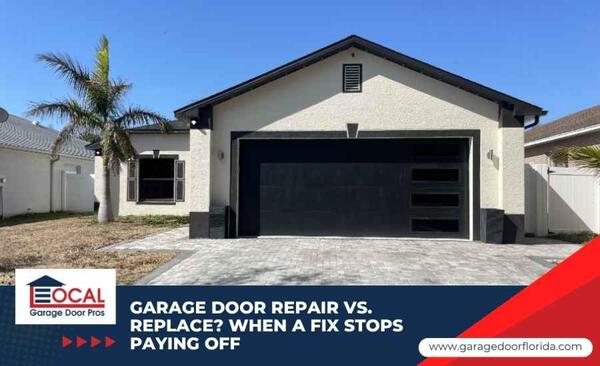
A snapped spring at 7 a.m. or a panel that finally caved after one too many bumps from the car can leave you wondering what the smarter money move is. The garage door repair vs. replace question for a garage door comes down to a few things you can check yourself, including the door's age, how many sections are damaged, and how often it has needed work lately. Plenty of problems are cheap, reliable fixes, and we would rather tell you that than sell you a door you don't need. Other times the repair bills keep stacking up, and a full residential door installation is the better long-term call. In this guide, we'll walk through which issues are worth fixing, the signs that a repair no longer makes sense, how climate and wind ratings change the math, and a simple cost rule to help you decide.
- Garage Door Problems That Are Usually Worth Repairing
- When Fixing an Old Garage Door Stops Paying Off
- How Climate and Wind Ratings Affect a Garage Door Repair Decision
- How Garage Door Repair and Replacement Stack Up on Cost and Value
- Get a Straight Answer Before You Spend on Your Garage Door
- Frequently Asked Questions
- Is it worth repairing a 20-year-old garage door?
- Can I replace just one garage door panel?
- Does a new garage door add value to a home?
- Should I replace my garage door opener at the same time?
- Is a garage door with a broken spring worth fixing?
Garage Door Problems That Are Usually Worth Repairing
Most garage door breakdowns come from one worn part, not a failing door, and those parts are built to be swapped out. If your door is otherwise solid, these are the repairs that almost always make more sense than a replacement:
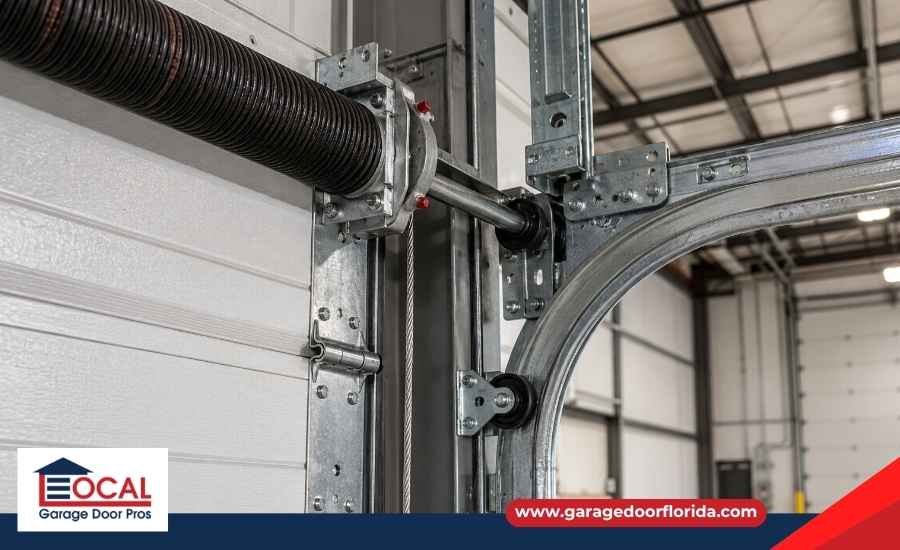
- Broken Springs: Springs wear out on a cycle count, not a calendar. A standard torsion spring is typically rated for around 10,000 open-and-close cycles, so a break on a door in good shape is normal wear.
- Frayed or Snapped Cables: Cables work with the springs to lift the door, and replacing them is routine work.
- Worn Rollers and Hinges: Grinding, squeaking, or a door that shakes on its way up often points to rollers or hinges past their prime. Fresh nylon rollers also quiet the door down.
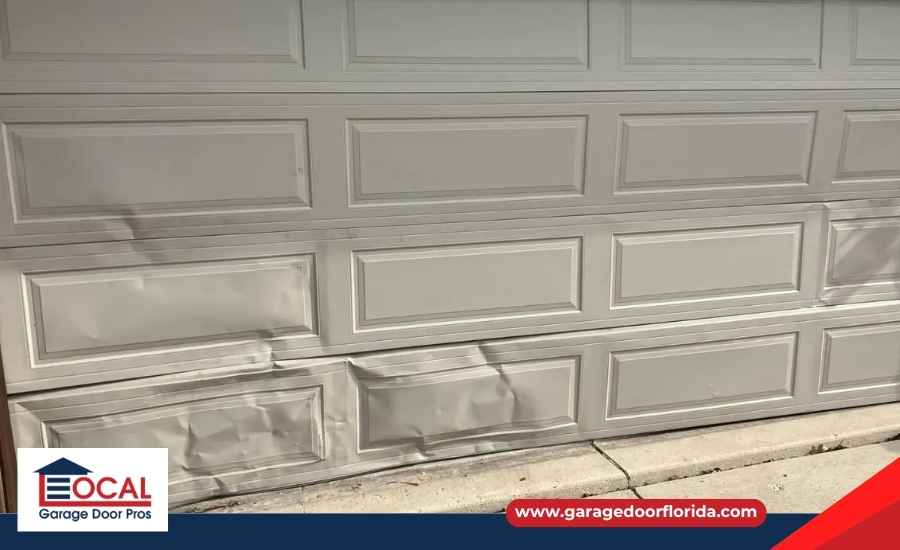
- A Single Dented Panel: One damaged section on a sectional door can often be replaced on its own, as long as a matching panel is still made for your door's make and model.
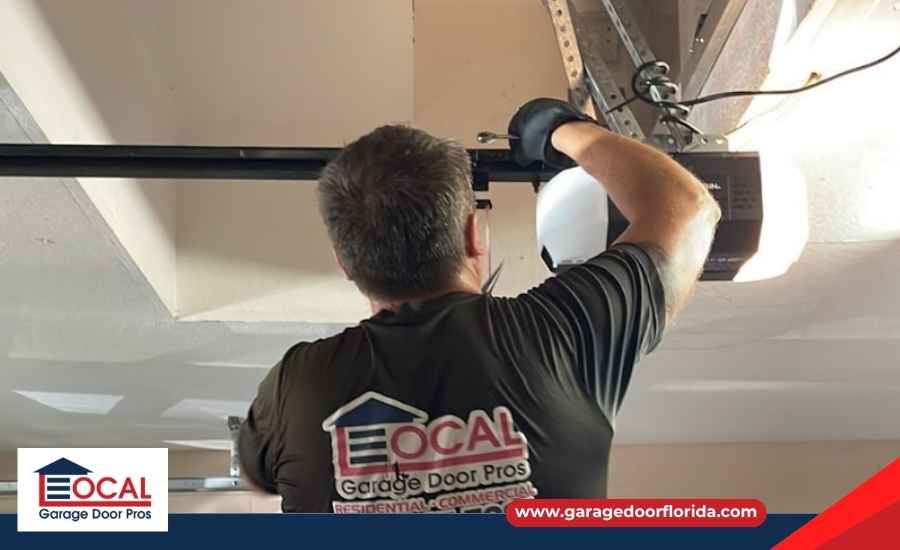
- Opener and Sensor Trouble: A door that reverses by itself or ignores the remote usually has an opener, sensor alignment, or remote issue rather than a problem with the door itself.
Each of these falls under standard garage door repair, and on a structurally sound door, fixing them can add years of reliable use. The trouble starts when the fixes stop being one-offs.
When Fixing an Old Garage Door Stops Paying Off
A repair only makes sense when it buys real time on a door that is still worth keeping. These are the signals that you would be putting money into a door that's already near the end:
- Repairs That Keep Coming Back: Two or three separate service calls in the same year means the parts aren't the real problem anymore. The door is wearing out as a whole, and each repair just pushes the next breakdown down the road.
- Damage Across Several Sections: Once two or more sections are cracked or bowed, matching panels can cost close to what a new door would, and many older styles are no longer produced.
- Rust Eating Through the Metal: Surface rust can be cleaned and painted. Rust that has pitted the steel or spread along the bottom edge means the panel is losing strength.
- Sagging Sections That Won't Stay Straight: A door that bows in the middle when it's open, even after the hardware is tightened, usually has panels or struts that have lost their stiffness.
- A Door Near the End of Its Lifespan: Most residential doors last somewhere between 15 and 30 years with good care. If yours falls in that range and needs a major repair, price out both options before committing to the fix.
Material shifts where a door lands in that range, since the typical lifespan of a garage door differs between steel, wood, and aluminum builds. Age alone doesn't decide it, but it tells you how much future you are paying for.
How Climate and Wind Ratings Affect a Garage Door Repair Decision
Where you live changes how fast a garage door wears out. Salt air near the coast and heavy humidity speed up rust on steel doors and hardware, while freezing winters leave weatherstripping brittle and put extra strain on springs. A door that could last 25 years in a mild, dry climate may wear out sooner in harsher conditions.
Wind rating matters too, especially in areas that see hurricanes or strong storms. Many building codes set wind-load requirements for new garage doors, and a repair can't upgrade the rating an older door was built with. If your door went in decades ago, or you can't find a rating label on it, that is a strong reason to lean toward replacement over another round of repairs.
How Garage Door Repair and Replacement Stack Up on Cost and Value
Seeing both options side by side makes the tradeoffs easier to weigh before you commit. Here is how repair and replacement compare on the points homeowners ask us about most often:
| Factor | Repair | Replacement |
|---|---|---|
| Upfront cost | Lower, since you pay for one part plus labor | Higher, since it covers a full door, hardware, and installation |
| Best fit | A solid door with one worn or broken part | An aging door with repeat failures or widespread damage |
| Wind rating | Stays the same as the original door | Meets the current code where it’s installed |
| Insulation and noise | No change unless parts are upgraded | A chance to add insulation and quieter hardware |
| Resale value | Keeps the door working | Among the highest-returning home projects nationally |
A Simple Cost Rule for Garage Door Repair or Replacement
A practical rule of thumb is the 50% test. If a repair quote comes in at half the cost of a new door or more, and the door is already past the midpoint of its expected life, replacement is usually the better value. Below that line, repair tends to win, especially for spring, cable, and roller jobs on a door that's in good shape otherwise.
Panel damage is where this rule gets tested most. Weighing a single panel swap against a new door often comes down to whether a matching panel is still available and how many sections need work.
Resale value belongs in the math too if you plan to sell within a few years. According to Zonda's 2025 Cost vs. Value report, garage door replacement recouped an estimated 268% of its cost at resale nationally, based on an average job cost of $4,672 and an added resale value of $12,507. Those are national figures and local pricing will differ, but they show why a new door can return more than it costs.
Get a Straight Answer Before You Spend on Your Garage Door
The clearest way to settle repair vs. replace is a quick, in-person look at your door, not a guess based on age alone. When a repair is the smart move, you keep your door and your budget intact. When replacement comes out ahead, flexible financing through Wisetack is available for qualifying installations. Call us today to book an inspection and get a clear repair-or-replace recommendation for your door.
Local Garage Door Pros is based in Tampa and brings more than 20 combined years of residential garage door repair and installation to homes across the Tampa Bay area. Whether your door needs a new spring or a full replacement, our team is available 24/7 to sort out which one makes sense.
Frequently Asked Questions
Is it worth repairing a 20-year-old garage door?
It can be, as long as the door is structurally sound and the repair involves a single part like a spring or cable. A door that age sits in the middle to late part of its expected lifespan, though. If it also needs panel work or shows deep rust, replacement usually offers better value.
Can I replace just one garage door panel?
Yes, a single damaged panel can often be replaced without changing out the whole door. The catch is finding a panel that matches your door's make, model, and color exactly. Older or discontinued styles may not have matching panels available, which often makes a full replacement the cleaner option.
Does a new garage door add value to a home?
Yes, garage door replacement ranks among the best-returning home improvement projects nationally. Zonda's 2025 Cost vs. Value report estimated it recouped about 268% of its cost at resale. Results vary with your home and local market, but a new door also improves curb appeal and everyday reliability.
Should I replace my garage door opener at the same time?
Not always, but pairing them often makes sense if your opener is already 10 to 15 years old, the typical range for most units. Handling both together avoids a second service visit down the road. A newer opener can also bring features like smartphone control and quieter belt-drive operation.
Is a garage door with a broken spring worth fixing?
In most cases, yes, since springs are wear parts rated for a set number of open-and-close cycles. A break usually means the spring reached the end of its working life, not the door. Unless the door has other major damage or is near the end of its lifespan, a spring replacement is the smarter call.
Recent Posts
-

Diagnosing a Garage Door That Jerks When Closing
Jul 26, 2026 -
Diagnosing a Garage Door That Bounces When Closing
Jul 26, 2026