A noisy garage door is more than just an inconvenience—it's often a sign of loose hardware, worn-out rollers, or poor lubrication. Ignoring these issues can lead to expensive repairs or even complete door failure. Understanding the cause of the noise and addressing it early can help you avoid more significant problems and keep your garage door running smoothly.
- Common Causes of a Noisy Garage Door
- Loose Bolts and Screws Causing Vibrations
- Worn-Out Rollers Leading to Grinding Sounds
- Types of Rollers and Their Lifespan
- How to Fix
- Lack of Lubrication Increasing Friction Noise
- How to Fix a Noisy Garage Door at Home
- Tighten Loose Hardware to Reduce Rattling
- Lubricate Rollers, Hinges, and Tracks Properly
- Types of Rollers and Their Lifespan
- How to Fix
- Clean Garage Door Tracks to Remove Buildup
- Check Rollers and Replace Them if Worn Out
- Test for an Off-Balance Door and Adjust Accordingly
- The Best Lubricants for a Quiet Garage Door
- Noisy Garage Door Opener? Here's What to Do
- How to Identify Opener-Related Noise
- Tightening or Replacing a Loose Chain Drive
- Types of Rollers and Their Lifespan
- How to Fix
- Upgrading to a Belt-Drive Opener for Quieter Operation
- Signs Your Opener Motor May Need Replacement
- How to Soundproof Your Garage Door
- Installing Noise Reduction Kits for Garage Doors
- Adding Insulation to Reduce Vibrations and Noise
- Types of Rollers and Their Lifespan
- How to Fix
- Choosing the Best Garage Door Opener for Silent Operation
- Using Rubber Seals and Weather Stripping for Soundproofing
- When to Call a Garage Door Professional
- The Dangers of DIY Torsion Spring Replacement
- Finding a Trusted Garage Door Repair Service
- Types of Rollers and Their Lifespan
- How to Fix
- Preventative Maintenance for a Quieter Garage Door
- How Often to Lubricate Moving Parts
- Routine Hardware Checks to Prevent Future Noise
- Types of Rollers and Their Lifespan
- How to Fix
- The Best Cleaning Methods for Garage Door Tracks
- Yearly Maintenance Checklist for Smooth Operation
- Keep Your Garage Door Running Smoothly
- Frequently Asked Questions
- How often should I lubricate my garage door?
- Why does my garage door make loud popping sounds?
- Types of Rollers and Their Lifespan
- How to Fix
- Can I use WD-40 to lubricate my garage door?
- What is the best way to make my garage door quieter?
- When should I call a professional for a noisy garage door?
- Get Expert Garage Door Repair â Call Today!
Common Causes of a Noisy Garage Door
A noisy garage door during operation often means something is loose, worn out, or needs lubrication. Different sounds can indicate other issues. Below are the most common reasons your noisy garage door makes unwanted sounds.
Loose Bolts and Screws Causing Vibrations
The constant movement of a garage door creates vibrations that can loosen bolts, nuts, and screws over time. This can cause rattling or shaking sounds when the door moves.
- Inspect all visible bolts, nuts, and screws on the door and its tracks.
- Use a wrench or socket set to tighten them.
- Avoid adjusting any hardware connected to the torsion springs, as these are under high tension and require professional handling.
Worn-Out Rollers Leading to Grinding Sounds
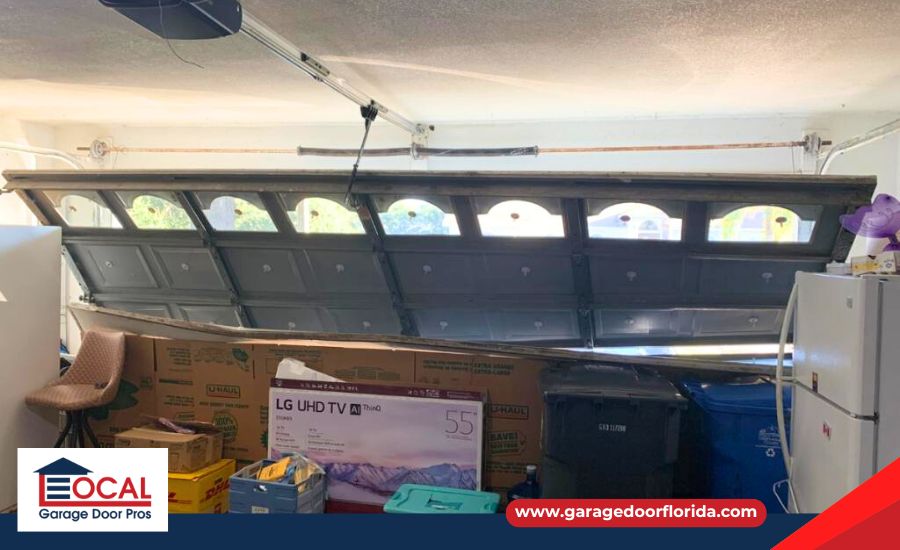
Garage door rollers guide the door along the tracks. When rollers wear out, they cause grinding or squeaking noises.
Types of Rollers and Their Lifespan
- Plastic Rollers: Wear out quickly and need replacement every 2 years.
- Steel Rollers: These are more durable but can rust and become noisy.
- Nylon Rollers: The quietest option, lasting up to 10 years with proper maintenance.
How to Fix
- Lubricate steel and nylon rollers with silicone-based spray every six months.
- If rollers are worn, cracked, or sticking, replace them with nylon rollers for quieter and smoother operation.
Lack of Lubrication Increasing Friction Noise
Metal parts rub together without proper lubrication, causing squeaking, grinding, and clunking noises.
- Use a garage door lubricant spray (preferably silicone or lithium-based).
- Apply lubricant to: Rollers, Hinges, Tracks, and Torsion springs
- Avoid WD-40, as it removes grease instead of lubricating.
How to Fix a Noisy Garage Door at Home
A noisy garage door often needs simple maintenance to operate quietly. Tightening hardware, lubricating parts, and cleaning tracks can prevent grinding, rattling, or squeaking noises. Below are the most practical DIY fixes to reduce garage door noise.
Tighten Loose Hardware to Reduce Rattling
Over time, vibrations loosen bolts and screws, causing rattling sounds when the door moves. Checking and tightening these components can prevent unnecessary noise and structural issues.
- Use a wrench and socket set to tighten all visible fasteners on the garage door panels, tracks, and hinges.
- Check the garage door opener brackets and mounting hardware for loose screws.
- Avoid adjusting spring system components, as these are under high tension.
Lubricate Rollers, Hinges, and Tracks Properly
Lack of lubrication causes grinding or squeaking when metal parts rub together. Applying lubricant to key areas can keep your garage door running smoothly.
- Use a silicone-based lubricant or white lithium grease (avoid WD-40).
- Apply lubricant to:
- Rollers: Coat metal and nylon rollers (avoid getting lubricant on the track).
- Hinges: Lubricate moving hinge parts where they pivot.
- Tracks: Wipe clean first, then apply lubricant sparingly.
- Springs: Lightly coat torsion and extension springs.
- Open and close the garage door several times to distribute the lubricant evenly.
Clean Garage Door Tracks to Remove Buildup
Dirt and debris inside the tracks cause grinding or scraping noises and affect door movement. Cleaning the tracks ensures smooth operation and prevents roller wear.
- Use a vacuum or dry cloth to remove dirt from the tracks.
- Wipe down tracks with a mild household cleaner to remove grease buildup.
- Avoid using heavy grease inside the tracks, which attracts dirt and worsens the noise.
Check Rollers and Replace Them if Worn Out
Worn-out or damaged rollers create grinding or squeaking sounds, making the door move unevenly. Replacing them improves performance and reduces noise.
- Inspect rollers for cracks, rust, or flat spots.
- Replace plastic or worn steel rollers with nylon rollers for quieter operation.
- If rollers keep slipping off the track, check for misalignment issues.
Test for an Off-Balance Door and Adjust Accordingly
An off-balance garage door causes loud banging noises and stresses the opener. Checking balance helps prevent further damage and ensures safe operation.
- Disconnect the opener and manually lift the garage door halfway.
- If the door slams shut or doesn't stay in place, it's off-balance.
- Call a garage door technician to adjust torsion or extension springs, as these are dangerous to handle.
The Best Lubricants for a Quiet Garage Door
Using the proper garage door lubricant helps reduce squeaking, grinding, and rattling noises while extending the life of moving parts. Some lubricants work better than others, depending on the components they are used on. Below is a comparison of silicone spray, lithium grease, and WD-40, explaining their advantages and the best use cases for each.
| Lubricant Type | Best For | Pros | Cons |
| Silicone Spray | Rollers, hinges, weather stripping | - Repels dust and moisture- Dries quickly
- Works well in cold or humid conditions |
- Needs more frequent reapplication |
| White Lithium Grease | Metal components like springs & tracks | - Long-lasting protection- Reduces friction
- Ideal for high-load areas |
- Can attract dirt if over-applied |
| WD-40 (Not Recommended) | Removing grime, not lubrication | - Breaks down rust and grease- Good for cleaning metal parts before lubrication | - Removes existing lubricant- Attracts dust, leading to buildup |
Noisy Garage Door Opener? Here's What to Do
A noisy garage door opener can make loud grinding, buzzing, or rattling when opening or closing. These noises often indicate loose components, a worn-out motor, or an outdated drive system. Below are the most common causes and fixes for a noisy garage door opener.
How to Identify Opener-Related Noise
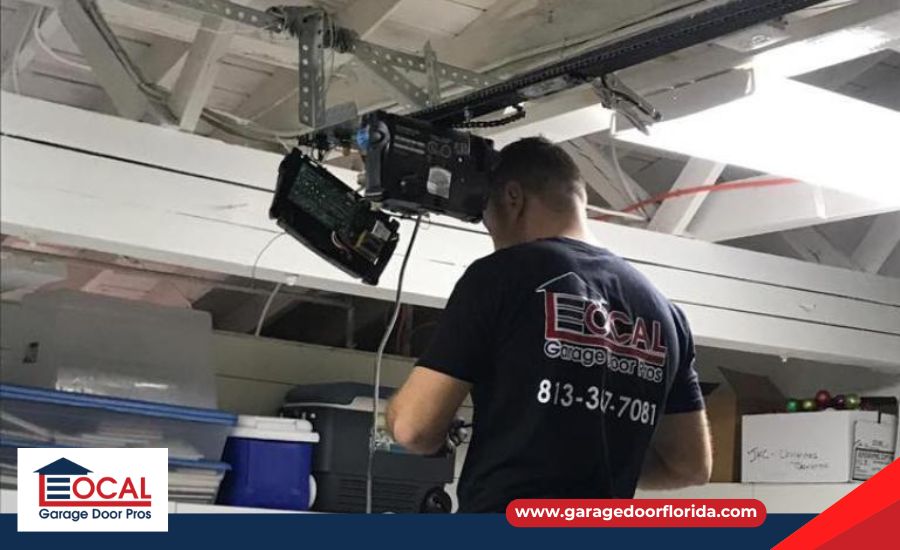
Not all garage door noise comes from the door itself. If the sound comes from the garage door opener, it could be due to a loose chain, motor strain, or worn-out gears.
- Rattling or vibration sounds: A loose chain drive or worn-out motor mount.
- Buzzing or clicking noises: A failing motor or electrical issue.
- Grinding sounds: Damaged gears or poor lubrication.
Tightening or Replacing a Loose Chain Drive
A chain-drive garage door opener can become noisy when the chain loosens over time. This causes the opener to jerk and vibrate, making the garage door noisy when opening.
- Turn off the power to the opener before making adjustments.
- Inspect the chain tension – It should have about ½ inch of slack.
- Use a wrench to tighten the chain slightly, but don't over-tighten.
- If the chain is damaged or stretched, consider replacing it.
Upgrading to a Belt-Drive Opener for Quieter Operation
Chain-drive openers are the loudest type because they use a metal chain to pull the door up and down. If noise is a significant issue, switching to a belt-drive opener can make a big difference.
- Quieter operation: Uses a rubber belt instead of a metal chain.
- Less vibration: Reduces rattling and shaking.
- Low maintenance: No need to lubricate like a chain drive.
Signs Your Opener Motor May Need Replacement
An aging or failing motor can cause grinding, buzzing, or humming noises. If the opener is over 10-15 years old, it may be time for a replacement.
- The motor struggles to lift the door.
- The opener makes excessive noise even after maintenance.
- The garage door reverses unexpectedly or moves slowly.
How to Soundproof Your Garage Door
A noisy garage door can disturb your household, especially if the garage is attached to your home. Soundproofing helps reduce vibrations, absorb noise, and create a quieter operation. Below are the best ways to minimize garage door noise.
Installing Noise Reduction Kits for Garage Doors
A garage door noise reduction kit helps dampen the sound by adding shock-absorbing materials to key areas. These kits include foam insulation, rubber padding, and anti-vibration brackets to absorb sound waves.
- Attach rubber dampers to the opener and mounting brackets.
- Install vibration-absorbing pads under the motor unit.
- Add foam panels inside the garage door panels for better insulation.
Adding Insulation to Reduce Vibrations and Noise
Insulated garage doors are quieter than non-insulated ones because they absorb sound instead of amplifying it. If your garage door is metal and hollow, adding insulation can help.
Best Insulation Materials for Garage Doors
- Foam board insulation: Lightweight and easy to install.
- Fiberglass insulation: Reduces noise and improves temperature control.
- Spray foam insulation: Expands to fill gaps and reduce vibrations.
How to Apply Insulation
- Cut insulation panels to fit inside each door panel.
- Secure them using adhesive or fasteners.
- Ensure the insulation doesn't interfere with rollers or track movement.
Choosing the Best Garage Door Opener for Silent Operation
Some garage door openers are naturally quieter than others. If your garage door opener is chain-driven, upgrading to a belt-drive or direct-drive opener will reduce noise significantly.

- Belt-drive openers: Use a reinforced rubber belt instead of a metal chain.
- Direct-drive openers: Have fewer moving parts, making them the quietest option.
- Screw-drive openers: Quieter than chain drives but require regular lubrication.
Using Rubber Seals and Weather Stripping for Soundproofing
Gaps around the garage door let in outside noise and vibrations. Sealing these gaps helps reduce sound travel.
- Apply rubber bottom seals to prevent vibrations from the ground.
- Install weather stripping along the sides and top of the door.
- Use garage door threshold seals to block outside noise and dust.
When to Call a Garage Door Professional
Some noisy garage door issues require professional repair. If your garage door makes popping, grinding, or banging noises despite regular maintenance, it may have misaligned tracks, worn-out rollers, or a failing opener motor. A door that slams shut moves unevenly, or struggles to open and close is another sign that expert attention is needed. Ignoring these problems can lead to safety risks and costly repairs.
The Dangers of DIY Torsion Spring Replacement
Torsion springs help lift and balance the garage door but are under high tension. A broken or improperly handled spring can forcefully snap, causing serious injury. DIY replacements often lead to fractures, deep cuts, or damage to the system. For safety, only trained professionals should handle torsion spring repairs.
Finding a Trusted Garage Door Repair Service
Hiring a reputable garage door repair service ensures safe and effective repairs. Look for companies with good reviews, proper insurance, and service warranties. A trustworthy technician will provide a precise diagnosis, a written estimate, and high-quality workmanship to keep your garage door in top condition.
Preventative Maintenance for a Quieter Garage Door
Regular maintenance helps prevent a noisy garage door and extends the life of its components. Simple upkeep reduces squeaking, grinding, and rattling noises while keeping the door operating smoothly. Below are essential maintenance steps to keep your garage door quiet.
How Often to Lubricate Moving Parts
Lubrication prevents metal-on-metal friction, a common cause of garage door noise issues. Applying the correct lubricant at regular intervals ensures smooth operation.
- Rollers, hinges, and springs: Use silicone spray or lithium grease every six months.
- Tracks: Once a year, after thorough cleaning.
- Weatherstripping: This is needed to prevent drying and cracking.
Routine Hardware Checks to Prevent Future Noise
Loose bolts and screws create rattling noises and can lead to track misalignment. Checking the hardware regularly ensures safe and quiet operation.
- Bolts and screws on hinges, brackets, and mounting points.
- Roller brackets to ensure they are not shifting.
- Opener chain or belt for proper tension.
The Best Cleaning Methods for Garage Door Tracks
Dirty or clogged tracks cause grinding and squeaking as rollers struggle to move. Keeping tracks clean helps prevent wear on rollers and reduces noise.
- Vacuum dirt and debris using a handheld vacuum.
- Wipe tracks with a damp cloth and a mild cleaner.
- Avoid grease inside the tracks, as it attracts dirt and dust buildup.
Yearly Maintenance Checklist for Smooth Operation
Performing a full maintenance check once a year prevents garage door noise and ensures all parts work efficiently.
- Lubricate rollers, hinges, and springs.
- Inspect and tighten hardware connections.
- Clean garage door tracks and remove debris.
- Check weather stripping and rubber seals for wear.
- Test garage door balance by manually lifting it halfway.
Keep Your Garage Door Running Smoothly
A noisy garage door can indicate minor maintenance needs or a more serious mechanical problem that requires attention. Ignoring these sounds may lead to expensive repairs and safety risks, making regular maintenance essential. Simple tasks like lubricating moving parts, tightening hardware, and replacing worn-out rollers can keep your garage door operating quietly. However, if the noise persists despite DIY fixes, Local Garage Door Pros provides expert repair services to ensure smooth and reliable operation.
Frequently Asked Questions
How often should I lubricate my garage door?
Lubricate your garage door every six months to keep it running smoothly. Apply a silicone-based lubricant to the rollers, hinges, and tracks to minimize friction and prevent noise buildup.
Why does my garage door make loud popping sounds?
Popping noises often indicate torsion spring issues. Over time, tension buildup can cause the springs to lock up and produce loud sounds. It's best to call a professional for safe and proper spring repairs.
Can I use WD-40 to lubricate my garage door?
No. WD-40 is a degreaser, not a lubricant. It removes existing grease rather than adding lubrication. Instead, use a silicone or lithium-based lubricant specifically designed for garage doors.
What is the best way to make my garage door quieter?
Regular lubrication, roller replacement, and tightening of loose bolts can significantly reduce garage door noise. If the noise persists, upgrading to a belt-drive opener can provide a much quieter operation.
When should I call a professional for a noisy garage door?
DIY fixes won't be enough if your garage door has broken springs, misaligned tracks, or a failing opener. Call a technician if grinding, rattling, or popping sounds continue despite troubleshooting.
Get Expert Garage Door Repair – Call Today!
If your garage door is noisy and DIY fixes haven't solved the issue, it's time to call the professionals. Ignoring ongoing grinding, rattling, or popping noises can lead to costly repairs or safety hazards. Local Garage Door Pros provides fast, reliable repairs and maintenance to restore smooth, quiet operation. Contact us today at (813) 822-3050 to schedule a service appointment!
Recent Posts
-
Diagnosing a Garage Door That Jerks When Closing
Jul 26, 2026 -
Diagnosing a Garage Door That Bounces When Closing
Jul 26, 2026 -
Why is My Garage Door Making a Grinding Noise?
Jul 26, 2026