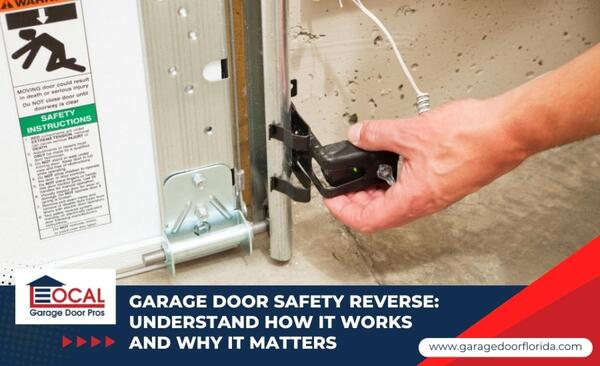
The garage door safety reverse system is a critical feature that helps prevent injury or damage by stopping and reversing the door if it detects an obstacle. This safety reverse garage door function uses garage door opener sensors and pressure detection to keep people, pets, and property safe during door operation. Every homeowner should understand how this system works and why regular testing and maintenance are important.
- What Is the Garage Door Safety Reverse System?
- How the Garage Door Safety Reverse Works
- Why the Safety Reverse System Matters
- How to Test Your Garage Door Safety Reverse System
- Test the Sensor Beam:
- Test the Photo Sensors
- Common Issues with the Safety Reverse System
- Keep Your Safety System Working Properly
- Frequently Asked Questions
- What happens if garage door sensors are not aligned?
- Can sunlight affect garage door sensors?
- How far from the floor should garage door sensors be installed?
- Do garage doors work without safety sensors?
- Why do my garage door sensors blink continuously?
What Is the Garage Door Safety Reverse System?
The garage door safety reverse system is a built-in safety mechanism found in most automatic garage doors manufactured after 1993. Its main purpose is to prevent the door from closing on a person, pet, or object by reversing direction when it detects an obstruction. There are two main components in this system:
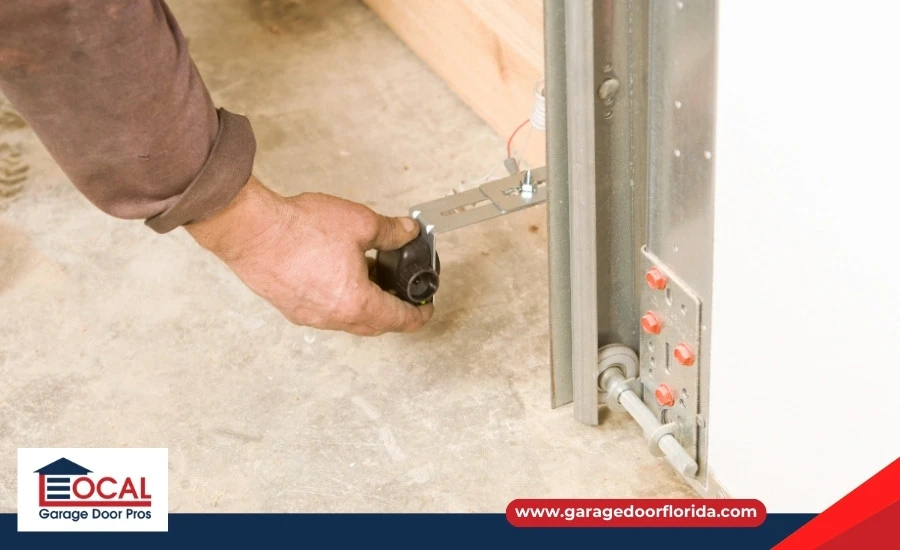
- Photoelectric Sensors: These are placed a few inches above the floor on each side of the door. They send an invisible beam across the opening. If this beam is interrupted while the door is closing, the motor receives a signal to stop and reverse.
- Force Detection (or Resistance Sensor): If the door meets physical resistance while closing, such as bumping into an object, the opener senses the force and immediately reverses the door's direction.
These two elements work together to protect anyone or anything in the door's path. The safety reverse system is now a required feature under U.S. federal safety regulations.
How the Garage Door Safety Reverse Works
The system works automatically during every door cycle. When you press the remote or wall button to close the garage door, the following process occurs:
- Sensor Beam Activation: The photo sensors on each side of the door create an invisible light beam. This beam stays active any time the door is closing.
- Obstacle Detection: If anything, such as a child, pet, tool, or object, blocks the beam, the sensor sends a signal to the motor controller.
- Immediate Reversal: The garage door opener immediately stops the door and reverses its direction to avoid impact.
- Force Sensitivity Backup: If the sensors do not detect anything, but the door still comes into contact with an object, the force detection system will activate. The motor will reverse the door even without the beam being broken.
This two-layered safety approach helps reduce the chance of injury or property damage from a closing door.
Why the Safety Reverse System Matters
Garage doors are heavy. A standard double garage door can weigh over 300 pounds. Without a functioning reverse system, the door could cause serious injury or damage. Here are its key benefits:
- Prevents Injury: Small children and pets are at risk around automatic doors. The system prevents accidents by stopping the door before contact occurs.
- Protects Vehicles and Property: If a car or other object is in the door's path, the system stops and reverses before damage happens.
- Meets Legal Standards: All garage doors sold in the U.S. after 1993 are required by law to include a safety reverse system.
- Increases Home Safety: Regular use of a functioning system improves household safety with minimal effort.
Maintaining this system is not optional, it is a basic home safety requirement.

How to Test Your Garage Door Safety Reverse System
Homeowners should test their garage door safety reverse system monthly. The process is simple and takes only a few minutes.
Test the Sensor Beam:
Over time, the safety reverse system may become less responsive without showing clear signs. Testing how the door reacts to a physical object helps ensure it still functions as intended. This is the best way to check if the reverse mechanism activates on contact:
- Open your garage door fully.
- Place a cardboard box or roll of paper towels in the center of the opening.
- Use your remote or wall control to close the door.
- The door should begin to close and then reverse immediately after touching the object.
Test the Photo Sensors
The photo sensors are your first line of defense against accidents. If they become dirty, misaligned, or disconnected, the door may not stop in time. This simple check confirms the sensors detect movement across the door's path:
- Close the garage door using the remote or wall button.
- As it's closing, wave a broom or stick in front of the sensor beam.
- The door should stop and reverse instantly.
Common Issues with the Safety Reverse System
Over time, safety systems can wear out or become misaligned. It's important to recognize the signs of a problem before it becomes dangerous. Here are some signs your system may be failing:
- The door does not reverse when something is in the way.
- The photo sensor lights are blinking or not lit.
- The door closes fully, even with an obstruction.
- The garage door opener flashes or beeps.
- The door closes too quickly or unevenly.
If you notice any of these signs, it is important to contact a licensed garage door technician to inspect the system.
Keep Your Safety System Working Properly
The garage door safety reverse system is not just a convenience, it's a necessary safety feature that protects your family and your home. Understanding how it works and testing it regularly ensures it will perform when it matters most.
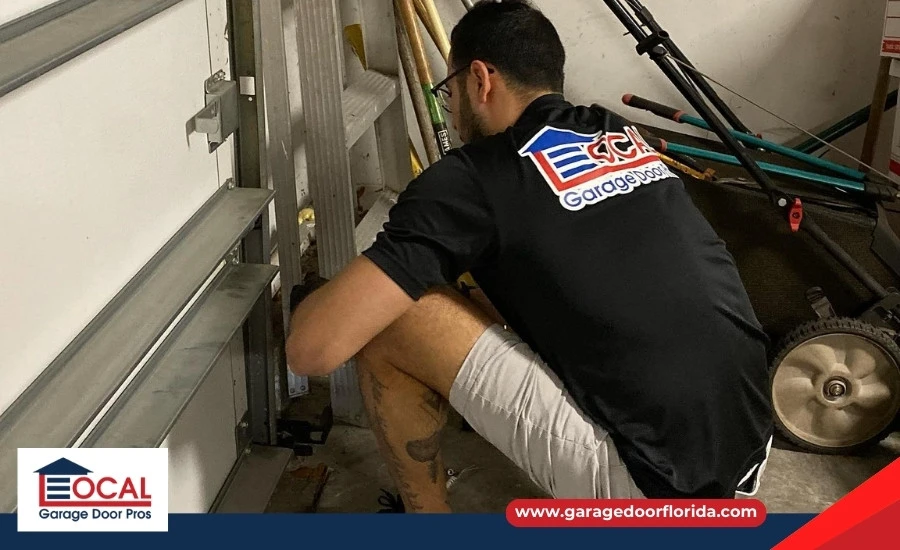
At Local Garage Door Pros in Lutz, FL, we provide expert garage door repair and maintenance services to keep your safety reverse system working properly. Don't take risks with your home's safety. Call us today to schedule a service appointment or inspection.
Frequently Asked Questions
What happens if garage door sensors are not aligned?
If garage door sensors are misaligned, the door won't close properly. The opener may flash lights or reverse immediately, as it assumes something is blocking the beam.
Can sunlight affect garage door sensors?
Yes, direct sunlight can interfere with photoelectric sensors by mimicking the infrared beam. This may prevent the door from closing or cause it to reverse unexpectedly.
How far from the floor should garage door sensors be installed?
Garage door sensors should be installed no more than 6 inches above the floor. This height ensures they can detect small children, pets, or objects in the door's path.
Do garage doors work without safety sensors?
Modern garage doors are required by law to have safety sensors. If they're disabled or removed, the door may not operate, or it could become unsafe and violate safety codes.
Why do my garage door sensors blink continuously?
Flashing sensor lights usually mean there's an alignment issue, a dirty lens, or a wiring problem. The sensors aren't detecting each other properly, which prevents the door from closing.
Recent Posts
-
Diagnosing a Garage Door That Jerks When Closing
Jul 26, 2026 -
Diagnosing a Garage Door That Bounces When Closing
Jul 26, 2026 -
Why is My Garage Door Making a Grinding Noise?
Jul 26, 2026