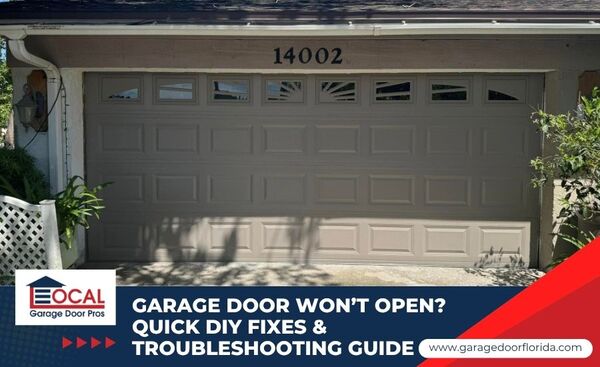
When your garage door won't open, it can be frustrating and inconvenient, especially if you're rushing out or coming home. This guide will walk you through common reasons why your garage door isn't working and provide simple steps you can take to troubleshoot the garage door issue yourself. We'll also cover signs that it's time to call a professional garage door repair service for help.
- Common Reasons Your Garage Door Won't Open
- Garage Door Won't Open? Here Are Quick DIY Checks to Troubleshoot
- When to Call the Pros When Your Garage Door Won't Open
- Preventive Maintenance Tips for Your Garage Door
- Get Your Garage Doors in Top Shape
- Frequently Asked Questions
- Why is my garage door opener light blinking, but the door won't move?
- Can cold weather prevent a garage door from opening?
- What does it mean if I hear a humming noise but the garage door doesn't open?
- Can I open my garage door manually from the outside during a power outage?
- Can a power surge damage my garage door opener?
Common Reasons Your Garage Door Won't Open
There are several common reasons why your garage door won't open. Knowing these issues can help you identify the problem more easily:
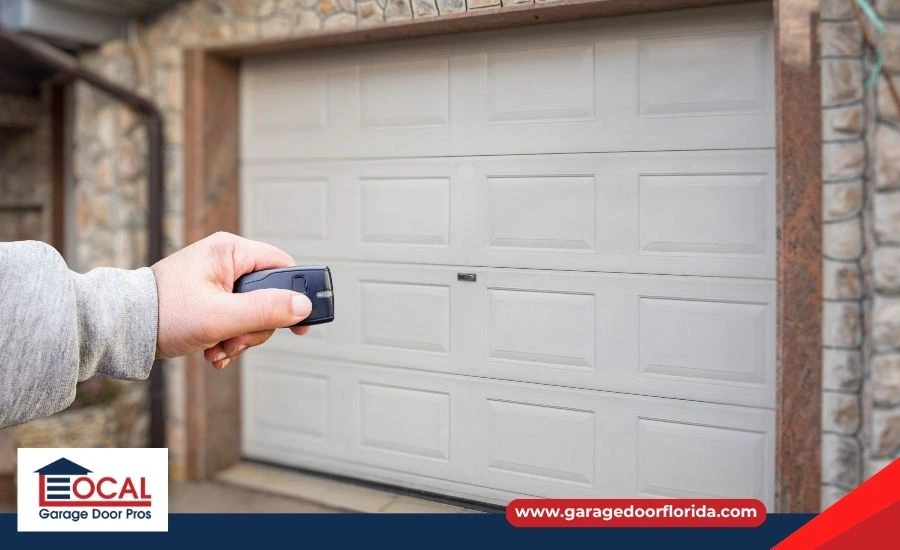
- Dead or Weak Remote Batteries: If your remote control doesn't send a strong signal, the opener won't respond. Try replacing the batteries.
- Power Source Problems: The garage door opener may be unplugged, or the outlet may not be working. Check the power connection.
- Blocked Sensors: Dirt, debris, or misaligned sensors can stop the door from closing or opening. Inspect and clean them.
- Broken Springs: A broken torsion or extension spring can prevent the door from lifting.
- Off-Track Door: If the door has come off its tracks, it won't open or close properly.
- Damaged Cables: Frayed or snapped cables can keep the door stuck in place.
- Obstructions in the Tracks: Objects stuck in the tracks can block the door's movement.
Understanding these common problems is the first step in figuring out what's wrong with your garage door.
Garage Door Won't Open? Here Are Quick DIY Checks to Troubleshoot
If your garage door isn't opening, you can perform several quick checks before calling a professional. Here's what you should try:
- Check the Remote Batteries: Replace the batteries in your garage door remote and test the door again.
- Test the Wall Switch: If the door works with the wall switch but not the remote, the remote may be the problem.
- Inspect the Power Source: Make sure the opener is plugged in and the outlet has power.
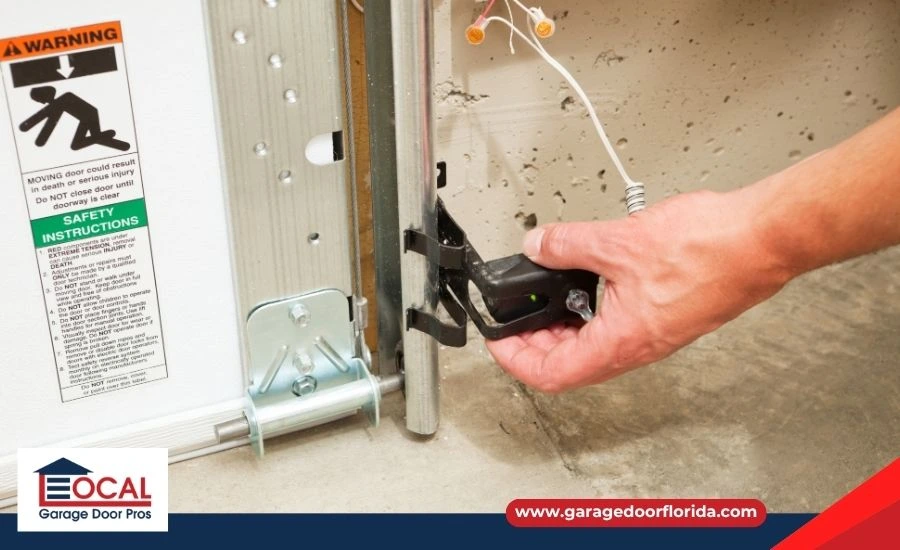
- Look for Sensor Blockages: Clean any dirt or debris from the photo-eye sensors near the bottom of the tracks.
- Check the Manual Release: Ensure the door hasn't been disengaged from the opener. Pull the red cord to reattach it.
- Examine the Tracks and Rollers: Look for any visible obstructions or damage that could stop the door from moving.
- Listen for Unusual Sounds: Grinding or loud noises may indicate a mechanical issue that needs attention.
If you complete these steps and the garage door still won't open, it may be time to call in a professional.
When to Call the Pros When Your Garage Door Won't Open
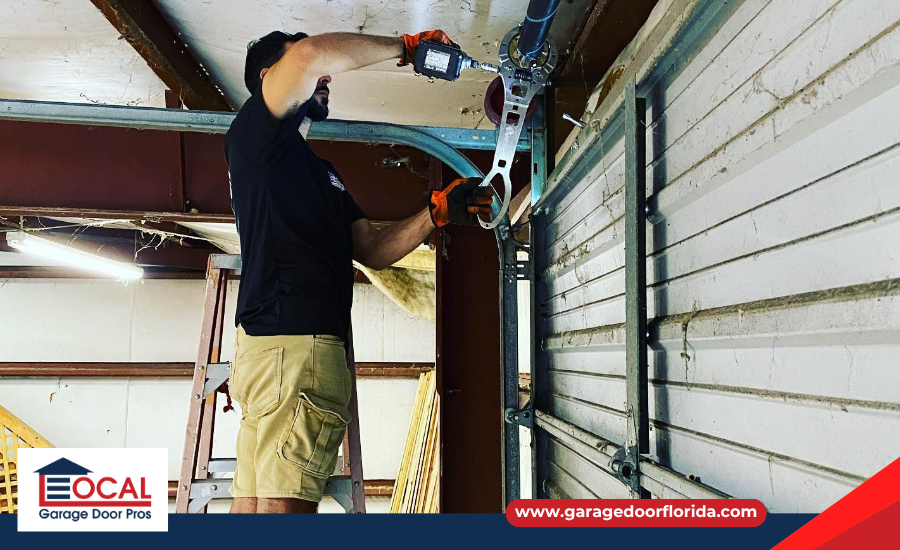
Certain garage door issues are dangerous to fix on your own and require professional repair. Contact a qualified garage door technician if you notice any of the following:
- Broken Torsion or Extension Springs: These springs are under high tension and can cause injury if handled improperly.
- Frayed or Broken Cables: Damaged cables can cause the door to fall unexpectedly.
- Bent or Misaligned Tracks: A professional can safely realign or replace the tracks to restore smooth operation.
- Motor or Opener Failure: If the motor hums but the door doesn't move, the opener may need repair or replacement.
- Repeated Sensor Issues: If cleaning and realigning the sensors doesn't fix the problem, they may need to be replaced.
A professional technician has the tools and experience to make these repairs safely and effectively.
Preventive Maintenance Tips for Your Garage Door
Keeping up with regular maintenance can help prevent problems with your garage door. Here are a few simple tips to keep it running smoothly:
- Lubricate Moving Parts: Apply lubricant to rollers, hinges, and springs every few months to reduce friction.
- Check Hardware for Tightness: Inspect bolts and screws and tighten them as needed.
- Clean the Tracks: Remove dust and debris from the tracks to prevent blockages.
- Test the Balance: Disconnect the opener and lift the door halfway to check if it stays in place.
- Inspect the Weather Stripping: Make sure the weather seal is intact to prevent drafts and moisture.
Regular maintenance can extend the life of your garage door and help you avoid costly repairs down the road.
Get Your Garage Doors in Top Shape
A garage door that won't open isn't just an inconvenience, it's also a safety and security issue. If troubleshooting doesn't resolve the problem, call our garage door repair experts at Local Garage Door Pros in Brandon, FL. Our team is ready to help you get your garage door working again safely and quickly.
Frequently Asked Questions
Why is my garage door opener light blinking, but the door won't move?
Blinking lights often signal a sensor problem or a safety reverse system issue. Check if the photo-eye sensors are aligned and clean, and ensure nothing is blocking the door's path.
Can cold weather prevent a garage door from opening?
Yes, freezing temperatures can affect garage door springs, lubricants, and sensors. Metal parts may contract or stiffen, making the door harder to lift or sensors less responsive.
What does it mean if I hear a humming noise but the garage door doesn't open?
A humming sound with no movement typically means the motor is getting power, but the opener gear is stripped or jammed. Disconnect the power and call a technician to inspect it.
Can I open my garage door manually from the outside during a power outage?
If your door has an exterior manual release lock, you can use a key to pull the release cable. This disconnects the opener so you can lift the door by hand.
Can a power surge damage my garage door opener?
Yes, a power surge can fry the internal circuits of a garage door opener. Use a surge protector to prevent damage, and inspect your opener after storms or outages.
Recent Posts
-
Diagnosing a Garage Door That Jerks When Closing
Jul 26, 2026 -

Diagnosing a Garage Door That Bounces When Closing
Jul 26, 2026 -
Why is My Garage Door Making a Grinding Noise?
Jul 26, 2026