A garage door is often the most prominent feature of a home’s exterior, taking up as much as 40% of the facade. More than just a functional entry point, it’s a statement piece that can set the tone for the entire property. The right design not only boosts curb appeal but can also deliver one of the highest returns on investment in home improvement.
With countless garage door styles available in different materials, colors, window layouts, and even smart technology, choosing the perfect one can feel overwhelming. This guide breaks down the choices, explains the “why” behind the “what,” and helps you select a door that’s beautiful, durable, and perfectly suited to your home, climate, and lifestyle.
- The Three Pillars of Garage Door Style: Your Starting Point
- The Traditional Style: Timeless and Versatile
- The Carriage House Style: Rustic Charm, Modern Function
- The Modern/Contemporary Style: Clean Lines and Bold Statements
- Finding the Perfect Garage Door for Your Home's Style
- The Craftsman Home (1900-1930s)
- The Mid-Century Modern Home (1945-1970s)
- The Modern Farmhouse
- The Spanish & Mediterranean Home
- The Colonial & Cape Cod Home
- The Ranch Home
- The Coastal Home
- A Deep Dive into Garage Door Materials
- Detailed Material Breakdown
- Understanding Construction, Insulation, and Performance
- Door Construction: More Than Meets the Eye
- Insulation Demystified: R-Value, U-Factor, and Why It Matters
- Polystyrene vs. Polyurethane: A "Good vs. Best" Comparison
- The Future is Here: Smart Technology and Safety in Modern Garage Doors
- The Smart Garage Door Opener: Convenience Meets Security
- Non-Negotiable Safety: The Modern Garage Door Safety System
- Choose the Right Garage Door Style for Your Home
- Frequently Asked Questions
- How much does a new garage door increase home value?
- What are the most popular garage door colors for 2025?
- How long should a new garage door last?
- Can I install a garage door myself?
- What is the best low-maintenance garage door material?
The Three Pillars of Garage Door Style: Your Starting Point
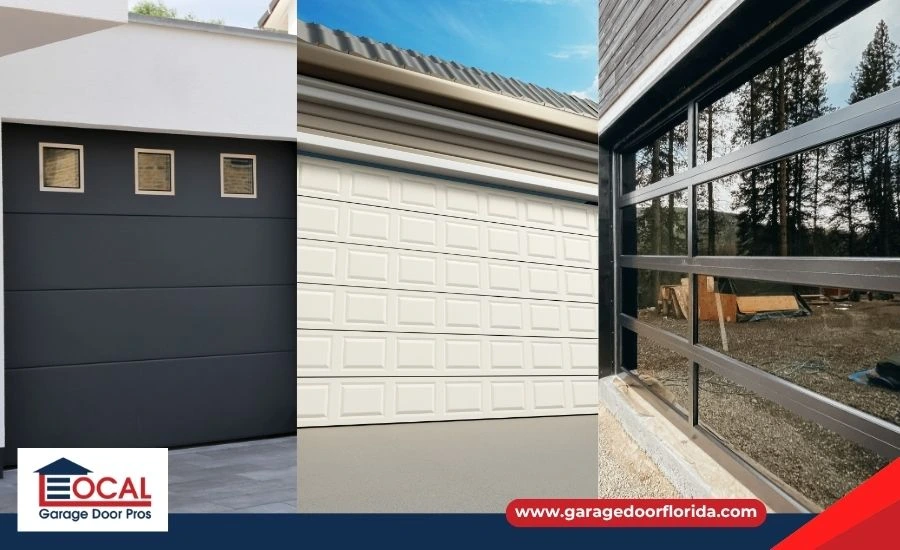
While the options for customization are nearly limitless, almost all residential garage door styles can be traced back to three foundational categories: Traditional, Carriage House, and Modern. Understanding these core archetypes provides a clear starting point for any homeowner's selection journey.
The Traditional Style: Timeless and Versatile
The traditional garage door is the quintessential choice for many homes, prized for its clean, classic, and understated appearance.
-
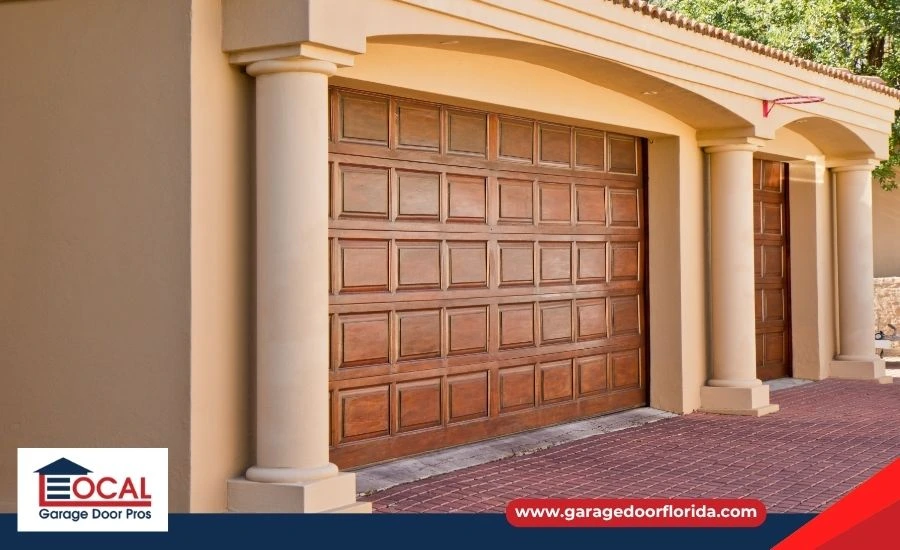
Visual Characteristics: The defining feature of a traditional door is its symmetrical, raised rectangular panels. These panels, which can be either short or long, add depth and dimension to the door's surface, creating a balanced and orderly aesthetic that complements a wide range of architectural designs.
-
Common Materials: Steel is the most common material for traditional doors due to its versatility and ability to be embossed with realistic wood-grain textures for added warmth. For a more authentic and high-end appearance, natural wood remains a classic option.
-
Pros and Cons: The primary advantage of the traditional style is its universal appeal; its simple, timeless design blends seamlessly with a vast number of home architectures. Its main drawback is that it can be perceived as a "standard" or less distinctive choice compared to more expressive styles.
The Carriage House Style: Rustic Charm, Modern Function
The carriage house style has become one of the most popular choices in recent years, offering a perfect blend of historical charm and contemporary convenience.
-
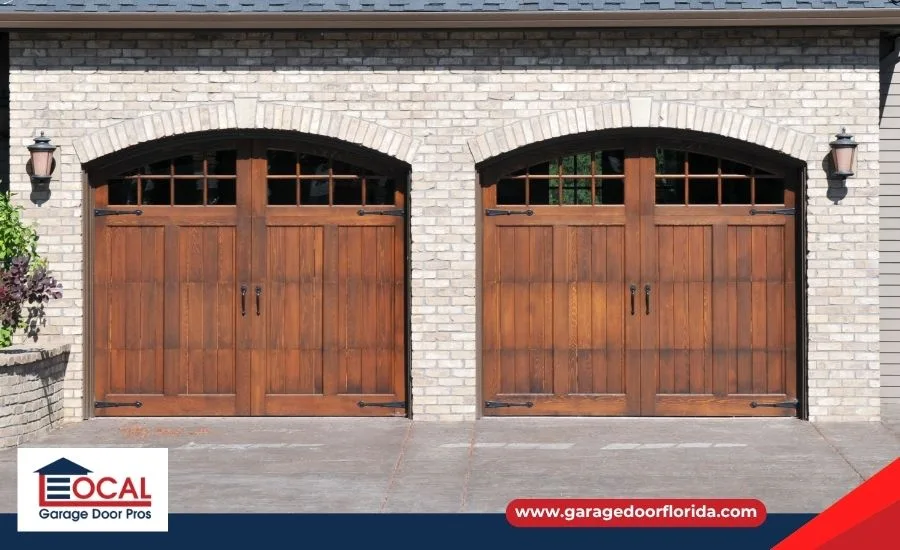
Visual Characteristics: This style is inspired by the doors found on historic barns and carriage houses where horse-drawn carriages were stored. It evokes a swing-out appearance, often featuring decorative overlays in patterns like crossbucks ("X" shape) or "Z" braces, and is typically adorned with prominent wrought iron handles and strap hinges.
While they look like they swing open from the center, the vast majority of modern carriage house doors are sectional, rolling up overhead just like a traditional door. -
Common Materials: Authentic wood is available for a historically accurate look, but the most popular option is a durable, low-maintenance steel door with composite overlays that expertly mimic the appearance of real wood.
-
Pros and Cons: This style adds significant character and a "country-chic" charm that is highly sought after. The primary downside is that the decorative overlays and hardware can make it more expensive than a standard traditional door.
The Modern/Contemporary Style: Clean Lines and Bold Statements
For homeowners seeking a sleek, high-end architectural statement, the modern style offers a minimalist aesthetic that is both striking and sophisticated.
-
Visual Characteristics: Modern design is defined by minimalism, featuring clean horizontal or vertical lines, completely flat (flush) panels, and a distinct lack of ornamentation. A major trend within this category is the full-view garage door, which consists of large glass panels set in an aluminum frame.
This design floods the garage with natural light and creates a seamless indoor-outdoor connection, transforming the garage into a functional "flex space".
-
Common Materials: Aluminum and glass are the hallmark materials for full-view modern doors. Steel is also used for sleek flush panel designs, while contemporary wood doors often feature simple, unadorned horizontal or vertical planks.
-
Pros and Cons: This style creates a powerful, high-end architectural focal point. However, full-view glass doors can be more expensive and may present privacy concerns unless frosted, tinted, or opaque glass is used. While lightweight and rust-proof, aluminum is also more susceptible to dents than steel.
An interesting evolution in home design is the blurring of lines between these core styles. While traditional pairings remain popular, there is a growing trend of using garage doors to create intentional architectural contrast. For example, the "Modern Farmhouse" aesthetic often pairs a rustic carriage house door with a clean, contemporary home exterior.
Likewise, a bold, full-view modern door might be installed on a traditional Craftsman home to make a dramatic statement. This shift demonstrates that the garage door is no longer just a complementary feature but can be a focal point for expressing personal style.
Finding the Perfect Garage Door for Your Home's Style
The most successful garage door selection is one that exists in harmony with the home's architectural language. This section serves as a detailed lookbook, matching specific door characteristics to the defining elements of popular American home styles, with recommendations from leading manufacturers to ensure authentic pairings.
The Craftsman Home (1900-1930s)
-
Defining Features: Craftsman architecture celebrates natural materials, expert hand-craftsmanship, and clean, honest lines. Common features include covered front porches with tapered columns, mixed exterior materials like stone and wood siding, and a strong horizontal emphasis.
-
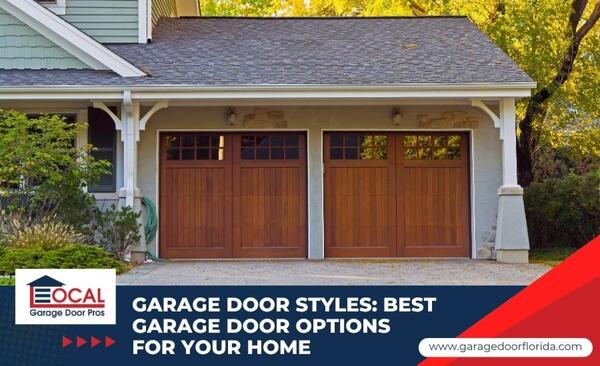
Classic Pairing: Carriage house doors are a perfect match for Craftsman homes. Designs featuring wood or realistic faux-wood composite overlays, rectangular windows in the top panel, and simple, rustic hardware beautifully echo the home's handcrafted ethos.
-
Modern Twist: For a more contemporary interpretation, a full-view aluminum and glass door can create a stunning visual contrast against the organic textures of stone and wood, highlighting the home's clean lines in a new way.
The Mid-Century Modern Home (1945-1970s)
-
Defining Features: This style is characterized by minimalism, flat planes, large expanses of glass, open-concept floor plans, and a deep connection between indoor and outdoor spaces. The aesthetic is defined by clean lines, asymmetrical designs, and a deliberate lack of ornamentation.
-
Perfect Match: The ideal garage door for a Mid-Century Modern (MCM) home mirrors its minimalist principles. Flush (flat) or plank-style doors with strong horizontal lines and minimal hardware are excellent choices.
Full-view glass and aluminum doors are quintessential MCM, often featuring a unique window layout, such as a vertical stack of windows on one side of the door. A faux wood finish in a warm, natural stain can also perfectly complement the style's organic-modern sensibility.
The Modern Farmhouse
-
Defining Features: One of the most popular current architectural styles, the Modern Farmhouse blends rustic charm with modern simplicity. It typically features bright white board-and-batten siding, large covered porches, and contrasting black or natural wood trim.
-
Go-To Style: The carriage house door is the undisputed champion for this style, as its design harkens back to classic barn doors. Simple steel doors with crossbuck or plank designs, finished in white, black, or a natural wood tone, create the perfect pairing.
The Spanish & Mediterranean Home
-
Defining Features: Drawing inspiration from the coastal villas of Spain and Italy, these homes are known for their stucco or plaster walls, low-pitched terracotta tile roofs, arched windows, and decorative wrought iron details.
-
Authentic Choice: To achieve an authentic look, heavy, solid wood doors in a dark stain like mahogany or alder are the premier choice. Key details include arched tops, decorative iron clavos (large, decorative nailheads), and ornate handles and hinges.
For a lower-maintenance alternative, a steel or composite door with a rich, dark faux-wood finish and decorative hardware can beautifully replicate this style.
The Colonial & Cape Cod Home
-
Defining Features: These classic American homes are defined by their symmetry. They typically feature a central front door, evenly spaced windows, and a formal, orderly appearance.
-
Harmonious Pairing: Traditional raised-panel garage doors are a perfect match, as their symmetrical design reflects the home's balanced structure. Simple, understated carriage house designs also work very well. A crisp white finish is the most classic and popular color choice for these homes.
The Ranch Home
-
Defining Features: The Ranch is a distinctly American style, characterized by its single-story, low-to-the-ground profile, open-concept layout, and large picture windows.
-
Complementary Design: The best garage door for a Ranch home emphasizes its strong horizontal lines. Doors with simple, clean paneling (either flat or raised) and wide, horizontal window arrangements are ideal.
Both traditional and carriage house styles, made from sturdy materials like steel or wood, are excellent choices that complement the home's robust and functional nature.
The Coastal Home
-
Defining Features: Designed for life by the water, coastal homes are light, airy, and built to withstand the punishing effects of salt air, high humidity, and strong winds.
-
Durable & Stylish: For coastal environments, material choice is paramount. Aluminum, vinyl, and fiberglass are ideal because they are naturally resistant to rust and corrosion caused by salt spray.
Style-wise, popular choices include louvered designs that mimic beach house shutters, light-colored carriage house doors (often in a whitewash finish), and modern full-view glass and aluminum doors that maximize views and the connection to the outdoors.
It is also critical to select a door that is wind-load rated, as this is often a building code requirement in hurricane-prone regions.
A Deep Dive into Garage Door Materials
After settling on a style, selecting the right material is the most critical decision a homeowner will make. The material dictates not only the door's appearance but also its durability, maintenance requirements, insulation capabilities, and long-term cost. The following is a detailed, fact-based comparison of the most common residential garage door materials.
|
Material |
Durability |
Maintenance |
Insulation Potential |
Avg. Cost (Single) |
Best For... |
|
Steel |
High (gauge matters) |
Low |
Excellent (with polyurethane) |
$800 - $2,500 |
All-around value, versatility, and durability. |
|
Wood |
Medium |
High |
Good (natural insulator) |
$1,500 - $5,000 |
Unmatched beauty, historic homes, high-end curb appeal. |
|
Aluminum |
Low-Medium (dents easily) |
Very Low |
Fair (can be insulated) |
$1,200 - $4,000 |
Modern designs, coastal areas (rust-proof). |
|
Fiberglass |
Medium |
Low |
Fair-Good |
$800–$2,500 |
Mimicking wood in harsh/humid climates, dent resistance. |
|
Composite |
High |
Low |
Good-Excellent |
$650 - $4,800 |
The look of wood with the durability of steel. |
|
Glass/Aluminum |
Medium (frame) |
Low |
Fair-Good (insulated glass) |
$2,500 - $8,000 |
Modern aesthetics, maximizing natural light, and indoor/outdoor flow. |
Detailed Material Breakdown
-
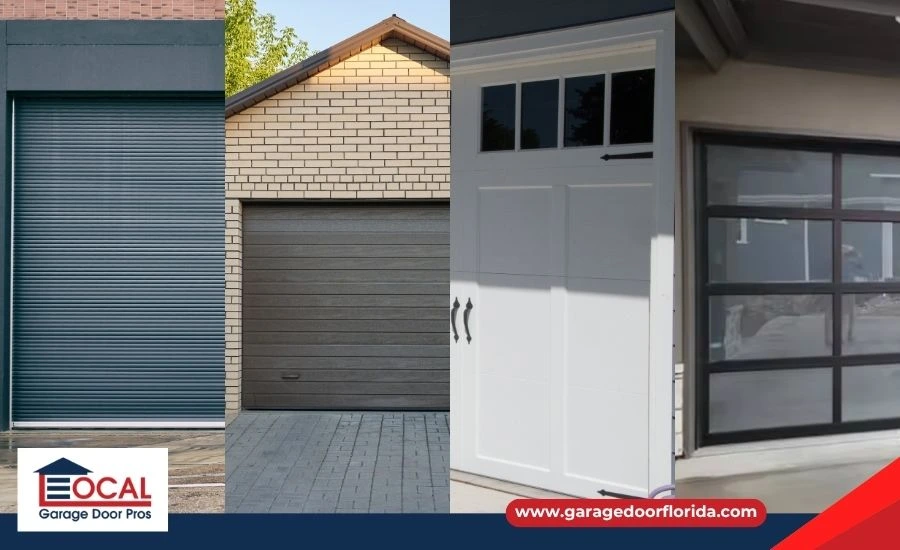
Steel: As the most popular choice, steel offers an unparalleled balance of durability, low maintenance, and affordability. It is available in a vast range of styles and can be insulated to achieve excellent thermal performance.
When selecting a steel garage door, it is important to consider the gauge; a lower number indicates thicker, stronger, and more dent-resistant steel.
A key consideration, especially in regions that use road salt in winter, is to ensure the door has a galvanized coating and a high-quality paint finish to prevent rust.
-
Wood: A wood garage door offers a timeless, authentic beauty that no other material can fully replicate. It is a natural insulator, and its rich grain adds warmth and character to any home. However, this beauty comes at the cost of being the most high-maintenance option.
Wood requires regular staining or painting to protect it from moisture, which can cause warping, rotting, and cracking. This makes it a more suitable choice for milder climates without extreme humidity or temperature swings.
-
Aluminum: Lightweight and completely rust-proof, aluminum is an excellent choice for modern full-view doors with large glass panels and for homes in coastal environments where salt air is a concern. The primary drawback of aluminum is its lower dent resistance compared to steel. It is a softer metal, making it more susceptible to damage from impacts.
-
Fiberglass & Composite: These materials are modern problem-solvers, engineered to provide the look of wood without the demanding upkeep. Fiberglass doors are lightweight, moisture-resistant, and less prone to denting than thin steel.
However, they can become brittle and crack in extremely cold climates, and the finish may fade over time with prolonged UV exposure. Composite doors, made from a blend of wood fibers and synthetic resins, offer superior durability and realism.
They are highly resistant to rotting, warping, and cracking, providing a fantastic balance of high-end aesthetics and robust performance.
-
Glass: Used in combination with an aluminum frame, glass panels create the striking full-view doors that are a hallmark of modern design. They are perfect for connecting the garage space to the outdoors and maximizing natural light.
Homeowners can choose from various glass options, including clear, frosted, tinted, or opaque, to balance light and privacy. Due to their significant weight, these doors require heavy-duty springs and a robust garage door opener for safe and reliable operation.
Understanding Construction, Insulation, and Performance
The long-term performance, comfort, and quietness of a garage door are determined by technical features that are not immediately visible. A deep understanding of construction and insulation is what separates a merely adequate choice from a truly superior one.
Door Construction: More Than Meets the Eye
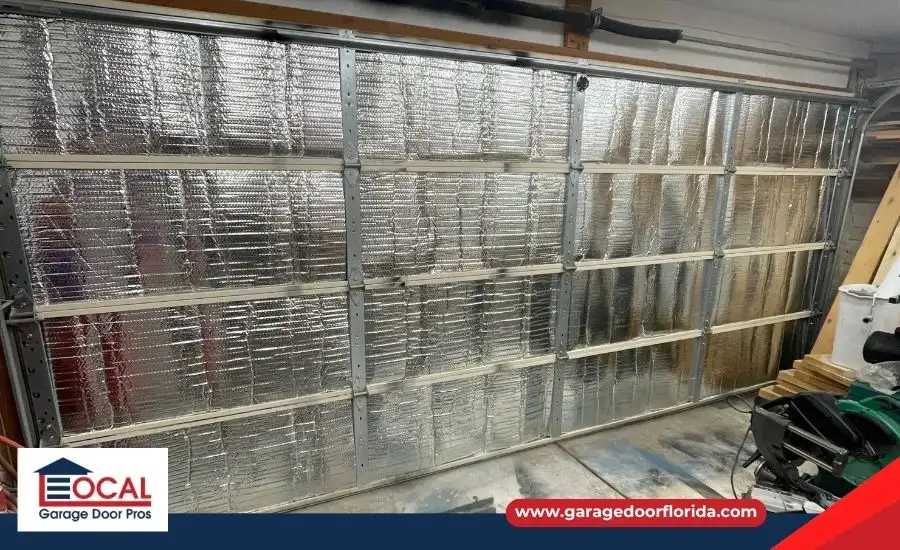
The way a garage door is built directly impacts its strength, insulation value, and durability. There are three primary construction levels :
-
1-Layer Construction: This is the most basic and economical option, consisting of a single layer of stamped steel. While functional, these doors are not insulated, are more prone to dents, and can be noisy during operation.
-
2-Layer Construction: This construction adds a layer of insulation (typically polystyrene) to the back of the steel panel, which is then covered by a protective vinyl backer. This provides a moderate improvement in thermal performance and noise reduction.
-
3-Layer Construction: Often called a "sandwich" door, this is the strongest, quietest, and best-insulating option. It features a layer of insulation (polystyrene or polyurethane) sandwiched between two layers of steel. This robust construction provides excellent energy efficiency and superior dent resistance.
Insulation Demystified: R-Value, U-Factor, and Why It Matters
Proper insulation is one of the most important features of a modern garage door, especially for attached garages.
-
What is R-Value: R-value is a standard measurement of thermal resistance; in simple terms, it indicates how well a material resists the flow of heat. A higher R-value signifies better insulating performance. For garage doors, R-values can range from 0 for a non-insulated door to over 20 for a premium, polyurethane-insulated model.
-
What is U-Factor: U-Factor (or U-Value) is another measure of thermal performance that is increasingly used. While R-Value measures the resistance of the insulation itself, U-Factor measures the rate of heat transfer through the entire door assembly, including panels, seals, and windows. For U-Factor, a lower number indicates better insulation.
The benefits of a well-insulated garage door extend far beyond simple temperature control. While its primary function is to keep the garage warmer in the winter and cooler in the summer, thereby reducing energy costs for the home, insulation provides critical secondary advantages.
The foam core in 2- and 3-layer doors adds significant rigidity and strength to the door panels, making them far more resistant to dents and impacts. Furthermore, the insulation acts as a sound-dampening barrier.
It absorbs vibrations, leading to much quieter and smoother door operation, and it helps block out noise from the street, creating a more peaceful environment both in the garage and inside the home. These combined benefits, energy savings, enhanced durability, and quieter operation create a powerful value proposition for investing in a high-quality insulated door.
Polystyrene vs. Polyurethane: A "Good vs. Best" Comparison
The type of insulation used inside the door is a key determinant of its performance. The two primary types are polystyrene and polyurethane.
|
Feature |
Polystyrene ("Styrofoam") |
Polyurethane (Injected Foam) |
|
Application |
Pre-cut rigid foam boards are placed inside the door panels. |
A liquid foam is injected into the door cavity, where it expands to fill every crevice before hardening. |
|
Typical R-Value |
Lower (R-4 to R-9 per inch of thickness). |
Higher (R-12 to R-18+ per inch of thickness). |
|
Strength |
Adds some rigidity to the door panel. |
Significantly increases the door's structural integrity and dent resistance due to its dense, bonded nature. |
|
Cost |
More budget-friendly. |
Higher initial investment. |
|
Best For |
Detached garages, homes in moderate climates, and budget-conscious projects. |
Attached garages (especially those with living space above), homes in extreme climates, workshops, and homeowners seeking maximum energy efficiency and quiet operation. |
The Future is Here: Smart Technology and Safety in Modern Garage Doors
The garage door has evolved from a simple manual entry point into a connected and intelligent component of the modern smart home ecosystem, equipped with advanced features for convenience, security, and safety.
The Smart Garage Door Opener: Convenience Meets Security
Smart garage door openers with built-in Wi-Fi connectivity allow for complete control and monitoring of the garage door via a smartphone app (such as myQ) from anywhere in the world.
Core Features:
-
Remote Operation and Status Checks: The ability to open or close the door remotely and check its current status (open or closed) provides immense peace of mind, eliminating the common worry of having left the garage open.
-
Guest and Delivery Access: Homeowners can grant temporary or scheduled access to family members, friends, or service professionals without sharing a physical remote or keypad code.
This feature also enables secure in-garage package delivery through services like Amazon Key, where delivery drivers can safely place packages inside the garage.
-
Alerts and History Logs: The system can send real-time notifications to a smartphone whenever the door is operated. An activity log provides a history of all openings and closings, offering an extra layer of security and awareness.
-
Smart Home Integration: Smart openers can be linked with platforms like Amazon Alexa and Google Assistant, enabling voice commands and the creation of automated routines, such as scheduling the door to close automatically at a certain time each night.
-
Integrated Cameras and 2-Way Audio: High-end models now feature built-in, wide-angle cameras that provide a live video stream of the garage. Combined with two-way audio, this transforms the opener into a comprehensive security device, allowing homeowners to see and communicate with anyone in their garage directly from their phone.
Non-Negotiable Safety: The Modern Garage Door Safety System
Modern garage doors are equipped with federally mandated safety systems designed to prevent serious injury and property damage. These features are not optional; they are essential components of any professionally installed system.
Key Features:
-
Photoelectric Sensors (Photo Eyes): This system consists of two small sensors placed near the floor on either side of the garage door opening. They project an invisible infrared beam across the opening.
If this beam is broken by a person, pet, or object while the door is closing, the system immediately signals the opener to automatically reverse the door to the fully open position.
-
Auto-Reverse Mechanism: In addition to the photo eyes, the opener itself is equipped with a force sensor. If the bottom of the closing door makes physical contact with an obstruction, the opener detects the resistance and automatically reverses the door's direction.
-
Manual Emergency Release: A red cord with a handle hangs from the opener's track. Pulling this cord disengages the motor, allowing the garage door to be opened or closed manually. This is a crucial feature for accessing the garage during a power outage.
-
Pinch-Resistant Panels: Many modern sectional doors are designed with specially shaped joints between the panels. This design pushes fingers out of the gap as the door closes, helping to prevent a common and serious type of injury.
Choose the Right Garage Door Style for Your Home
This guide has given you the knowledge to choose the perfect garage door, from its style and material to its insulation and technology. But picking the right door is only the first step. The final, most critical part is ensuring it's installed safely and correctly.
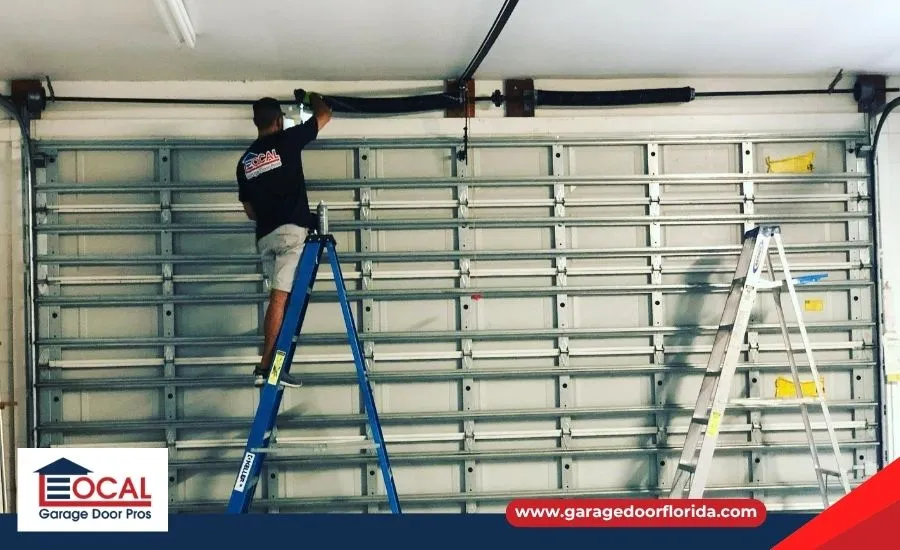
A garage door's spring system is under extreme tension and can cause serious injury if handled by someone without the right training. Professional installation is the only way to guarantee safety, ensure your door operates smoothly, and protect your manufacturer's warranty.
You've researched to find a door that will boost your home's curb appeal and value. Now, let the experts at Local Garage Door Pros handle the final, crucial step.
A professional installation protects your investment and gives you peace of mind. Contact us today for expert garage door installation to bring your vision to life safely and correctly.
Frequently Asked Questions
How much does a new garage door increase home value?
A new garage door is consistently ranked as one of the home improvement projects with the highest return on investment (ROI). Due to its significant impact on a home's curb appeal, homeowners can often recoup over 100% of the project's cost upon resale.
What are the most popular garage door colors for 2025?
While timeless neutrals like white, gray, and beige remain popular, emerging trends for 2025 show a strong movement towards more expressive and bold colors. Moody greens, deep blues, and sophisticated, statement-making black are rapidly gaining popularity.
How long should a new garage door last?
The lifespan of a garage door depends on the material, climate, and level of maintenance. With proper care, a high-quality steel, composite, or aluminum door can last 15 to 30 years. The mechanical components, such as the opener and springs, have a shorter lifespan and typically require replacement sooner.
Can I install a garage door myself?
It is strongly discouraged for safety reasons. The springs that counterbalance the weight of the door are under extreme tension and can cause catastrophic failure if not handled by a trained professional. Attempting a DIY installation is dangerous, can lead to improper door function, and will likely void the manufacturer's warranty.
What is the best low-maintenance garage door material?
For homeowners seeking minimal upkeep, steel, aluminum, vinyl, and composite are all excellent choices. Unlike wood, these materials do not require periodic painting or staining to protect them from the elements and can be easily cleaned with soap and water.
Recent Posts
-
Diagnosing a Garage Door That Jerks When Closing
Jul 26, 2026 -
Diagnosing a Garage Door That Bounces When Closing
Jul 26, 2026 -
Why is My Garage Door Making a Grinding Noise?
Jul 26, 2026