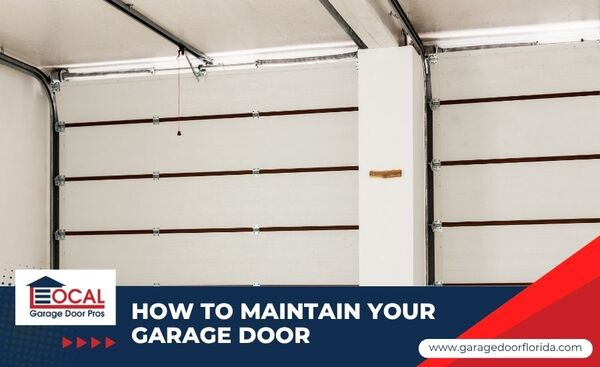
Taking good care of your garage door is key to keeping it working well and looking great. A garage door that gets regular checks and maintenance not only keeps your home safe but also adds to its appeal. This guide will give you easy steps and helpful tips on how to maintain your garage door. By keeping up with simple tasks, you can avoid big problems and expensive fixes, making sure your garage door lasts a long time.
- Understanding Your Garage Door
- Components of a Garage Door
- Signs Your Garage Door Needs Maintenance
- Regular Maintenance Tasks
- Cleaning and Inspecting the Door
- Lubricating Moving Parts
- Tightening Hardware
- Checking the Balance of the Door
- Seasonal Maintenance Tips
- Preparing for Winter
- Summer Maintenance Checklist
- Safety Checks and Precautions
- Testing the Auto-Reverse Feature
- Checking the Emergency Release
- Ensuring Proper Sensor Alignment
- Troubleshooting Common Issues
- Dealing with Noisy Operation
- Addressing Remote Control Problems
- Fixing Door Opener Issues
- Professional Maintenance and Repairs
- When to Call a Professional
- Choosing a Reliable Garage Door Service
- Keeping Your Garage Door in Top Shape
- Frequently Asked Questions
- Can I paint my garage door?
- How long do garage door openers typically last?
- What should I do if my garage door opens by itself?
- How can I make my garage door more secure?
- Is it normal for my garage door to be slightly off the ground when closed?
- Need Expert Garage Door Maintenance Service?
Looking after your garage door is easier than you might think. There are a few important things to do, like cleaning, oiling, and checking that everything is balanced and lined up right. We'll go through each step, one by one, to show you how to take the best care of your garage door. This guide is for anyone who wants to make sure their garage door stays in top shape, whether you've done it before or this is your first time.
Understanding Your Garage Door
To keep your garage door in top shape, it's important to know a bit about it. A garage door is more than just a panel that opens and closes; it's a complex system with many parts working together. By understanding these parts and knowing what signs of trouble to look for, you can catch small issues before they turn into big problems. Let's break down the components of your garage door and discuss the signs that indicate it needs some TLC.
Components of a Garage Door
Before we dive into maintenance, let's take a quick look at the main parts of a garage door:
- Springs: These help lift and lower the door smoothly. There are two main types: torsion springs and extension springs
- Opener: The motorized device that opens and closes the garage door, controlled by switches or a remote.
- Cables: Work with the springs to move the door. If these wear out or break, the door won't operate properly.
- Rollers: These wheels help the door glide along the tracks. Worn rollers can cause noisy operations.
- Tracks: The metal guides for the rollers. Misaligned tracks can prevent the door from moving smoothly.
- Panels: The actual door sections. Damage to these can affect the door's look and function.
- Sensors: Safety devices that stop the door if an object or person is in the way. Misaligned sensors can cause the door to malfunction.
Signs Your Garage Door Needs Maintenance
Keeping an eye out for these warning signs can help you catch issues early:
- Strange noises: Squeaking or grinding sounds can indicate that parts need lubrication or are worn out.
- Slow response time: If there's a delay between using the remote and the door moving, it might need a check-up.
- Uneven hanging: This could mean there's an issue with the springs or cables.
- The door doesn't fully close: If gaps remain when the door is shut, the tracks, sensors, or limit settings may need adjusting.
- Increased energy bills: An inefficient garage door opener might use more power than necessary.
- Visible wear and tear: Cracks, dents, or rust on the door panels or hardware can worsen over time if not addressed.
By familiarizing yourself with these components and signs, you'll be better equipped to maintain your garage door and keep it functioning smoothly.

Regular Maintenance Tasks
Regular maintenance is the key to keeping your garage door in good working condition. By performing a few simple tasks, you can prevent major issues and ensure your door operates smoothly. In this section, we'll go over some basic maintenance tasks that you can do yourself, including cleaning and inspecting the door and lubricating moving parts.
Cleaning and Inspecting the Door
A clean garage door not only looks better but also functions better. Here's how to keep it in top shape:
- Cleaning: Use a mild detergent and water to clean the door's surface. For metal doors, you can use car wax to protect against rust.
- Inspecting: Look for any signs of wear or damage, such as cracks, dents, or rust. Check the weather stripping for any gaps or tears.
Lubricating Moving Parts
Proper lubrication helps prevent noise and ensures smooth operation. Focus on these areas:
- Springs: Apply a silicone-based lubricant to the torsion springs to keep them moving smoothly.
- Rollers: Lubricate the rollers, but avoid getting lubricant on the tracks to prevent slipping.
- Hinges: Apply lubricant to the hinges to reduce friction and prevent squeaking.
Tightening Hardware
Over time, the hardware on your garage door can loosen due to the vibrations caused by opening and closing. Here's what you should do:
- Check all screws and bolts: Use a socket wrench or screwdriver to tighten any loose hardware on the door and the tracks.
- Inspect hinges and brackets: Make sure they are securely fastened and replace any that are damaged.
Checking the Balance of the Door
A well-balanced garage door is essential for smooth operation. To test the balance:
- Disconnect the opener: Pull the release handle to disconnect the door from the opener.
- Manually lift the door: Raise the door halfway up and let go. A balanced door will stay in place, while an unbalanced door will start to close on its own.
- Adjust if necessary: If the door is unbalanced, it's best to call a professional to adjust the springs.
By tightening the hardware and ensuring the door is balanced, you can prevent unnecessary wear and tear on your garage door system.
Seasonal Maintenance Tips
Your garage door needs different care depending on the season. By following some seasonal maintenance tips, you can keep your door working well all year round. In this section, we'll cover how to prepare your garage door for winter and what to do in the summer to keep it in great shape.
Preparing for Winter
Winter can be tough on garage doors. Here's how to get yours ready:
- Check the weather stripping: Make sure it's in good condition to keep out cold air and moisture.
- Lubricate moving parts: Cold weather can make lubricants thicker, so use a silicone-based lubricant that won't harden in low temperatures.
- Inspect and replace insulation: If your door is insulated, check for any damage and replace the insulation if needed to keep your garage warm.
Summer Maintenance Checklist
Summer brings challenges for garage doors. Here are some tips to keep your door functioning smoothly:
- Clean the door: Wash the door and windows to remove dirt and grime that has built up over the winter.
- Check for pests: Look for signs of insects or rodents that might have made a home in your garage door's nooks and crannies.
- Adjust the opener settings: Temperature changes can affect the door's opening and closing speed. Adjust the settings on your opener if needed.
By taking care of your garage door seasonally, you can ensure it stays in top condition no matter what the weather brings.
Safety Checks and Precautions
Safety is a top priority when it comes to your garage door. Regular safety checks can prevent accidents and ensure your door's safety features are working correctly. In this section, we'll discuss how to test the auto-reverse feature, which is crucial for preventing injuries.
Testing the Auto-Reverse Feature
The auto-reverse feature is designed to stop and reverse the door if it detects an object in its path. Here's how to test it:
- Place an object: Put a block of wood or a similar object on the ground where the door would close.
- Close the door: Use the remote or wall switch to close the door.
- Observe the reaction: The door should automatically reverse upon hitting the object. If it doesn't, the auto-reverse feature may need adjustment or repair.
Checking the Emergency Release
The emergency release allows you to manually open your garage door during a power outage or if the opener fails. Here's how to check it:
- Locate the release: Look for a red handle hanging from a rope on the garage door track.
- Test the release: Pull the handle to disconnect the door from the opener. You should be able to lift the door manually.
- Reengage the opener: After testing, push the handle back up or pull the rope in the opposite direction to reconnect the door to the opener.
Ensuring Proper Sensor Alignment
Safety sensors prevent the door from closing if something is in its path. To ensure they're aligned:
- Check the lights: Most sensors have lights that indicate whether they're aligned. Both lights should be on and steady.
- Align the sensors: If the lights are flickering or off, gently adjust the sensors until the lights are steady.
- Test the sensors: Block the sensors with an object and try to close the door. It should not close if the sensors are working correctly.
Regularly checking the emergency release and sensor alignment helps ensure your garage door is safe to use.
Troubleshooting Common Issues
Even with regular maintenance, garage doors can still experience issues. Knowing how to troubleshoot common problems can save you time and money. In this section, we'll start by addressing noisy operations, a common complaint among garage door owners.
Dealing with Noisy Operation
A noisy garage door can be annoying and may indicate a larger problem. Here's what you can do:
- Tighten loose hardware: Use a socket wrench or screwdriver to tighten any bolts or screws that have loosened over time.
- Lubricate moving parts: Apply a silicone-based lubricant to rollers, hinges, and springs to reduce friction and noise.
- Check the rollers: Worn or damaged rollers can cause a lot of noise. Consider replacing them with nylon rollers, which are quieter than metal ones.
- Inspect the opener: Sometimes the noise might be coming from the opener itself. Make sure it's properly mounted and consider using a vibration isolator kit.
Addressing Remote Control Problems
If your garage door remote control isn't working, it can be frustrating. Here are some steps to troubleshoot:
- Check the batteries: Sometimes, the problem is as simple as dead batteries. Replace them to see if it solves the issue.
- Reprogram the remote: Refer to your owner's manual for instructions on how to reprogram your remote. Interference or memory issues can sometimes require a reset.
- Clean the sensors: Dirt or debris on the sensors can interfere with the remote's signal. Clean them with a soft cloth.
- Check for interference: Other electronic devices can interfere with your remote's signal. Turn off nearby devices to see if that resolves the issue.

Fixing Door Opener Issues
Door opener problems can prevent your garage door from functioning properly. Here's how to address common opener issues:
- Check the power source: Ensure the opener is plugged in and the circuit breaker hasn't tripped.
- Adjust the settings: Sometimes, the force and limit settings on the opener may need adjustment. Consult your manual for how to do this safely.
- Inspect the gears: Worn or broken gears inside the opener can cause it to fail. This usually requires professional repair.
- Consider the age: If your opener is old, it might be more cost-effective to replace it rather than repair it.
Addressing remote control and door opener issues promptly can help maintain the convenience and security of your garage door.
Professional Maintenance and Repairs
While many garage door maintenance tasks can be done on your own, there are times when it's best to call in a professional. Knowing when to seek expert help can save you from making a problem worse and ensure your door is repaired safely and effectively. In this section, we'll discuss when to call a professional and how to choose a reliable garage door service.
When to Call a Professional
There are certain situations where professional assistance is necessary:
- Spring replacement: Torsion and extension springs are under high tension and can be dangerous to replace on your own.
- Major repairs: If your door has significant damage or structural issues, a professional should handle the repairs.
- Opener problems: If you've tried troubleshooting and your opener still isn't working, a technician can diagnose and fix the problem.
- Safety concerns: If you're unsure about a repair or don't feel comfortable performing it, it's safer to call a professional.
Choosing a Reliable Garage Door Service
Finding a trustworthy garage door service is important for quality repairs:
- Check reviews: Look for companies with positive reviews and testimonials from satisfied customers.
- Verify credentials: Ensure the service is licensed, insured, and has a good standing with consumer protection agencies.
- Get multiple quotes: Compare quotes from different companies to ensure you're getting a fair price.
- Ask for references: A reputable company should be able to provide references from previous customers.
By knowing when to call a professional and how to choose a reliable service, you can ensure your garage door receives the best care possible.
Keeping Your Garage Door in Top Shape
Maintaining your garage door is essential for its smooth operation and your home's security. By following the tips outlined in this guide, you can ensure that your door stays in good condition and functions properly. Regular maintenance, like cleaning, lubricating, and checking for wear and tear, can prevent major issues and extend the lifespan of your door. Additionally, being aware of common problems and knowing when to call a professional can save you time and money in the long run.
Remember, your garage door is an important part of your home, and taking care of it is a worthwhile investment. With a little effort and attention, you can keep your garage door working smoothly and safely for years to come.
Frequently Asked Questions
Can I paint my garage door?
Yes, you can paint your garage door to match your home's exterior or give it a fresh look. Use exterior paint and primer suitable for the door's material, and follow the manufacturer's instructions for the best results.
How long do garage door openers typically last?
Garage door openers can last anywhere from 10 to 15 years, depending on usage and maintenance. Regular checks and timely repairs can extend their lifespan.
What should I do if my garage door opens by itself?
If your garage door opens by itself, it could be due to interference with the remote signal or a problem with the opener's settings. Check for nearby devices that might cause interference and reset your opener's settings.
How can I make my garage door more secure?
To enhance your garage door's security, install a garage door opener with rolling code technology, use a timer to close the door automatically, and consider adding a garage door lock.
Is it normal for my garage door to be slightly off the ground when closed?
No, your garage door should fully close without gaps. If it's off the ground, there may be an issue with the tracks, springs, or alignment. Have a professional assess it and adjust it if needed.
Need Expert Garage Door Maintenance Service?
If you're looking for professional maintenance or need help with your garage door, don't hesitate to contact Local Garage Door Pros. Let our experts ensure your garage door stays in perfect condition for years to come.
Recent Posts
-
Diagnosing a Garage Door That Jerks When Closing
Jul 26, 2026 -
Diagnosing a Garage Door That Bounces When Closing
Jul 26, 2026 -
Why is My Garage Door Making a Grinding Noise?
Jul 26, 2026