Ever wondered how long your garage door is supposed to last? The lifespan of a garage door is a topic many homeowners think about but often don't pay attention to until problems pop up. With the lifespan of your garage door as our main point, we explore the key factors that not only prolong your garage door's life but also boost its functionality and look, all through quality garage door service.
- Comprehensive Guide to Garage Door Materials
- Comparing Garage Door Materials
- Material-Specific Maintenance Tips
- Steel Garage Doors
- Cost vs. Lifespan Analysis
- Aluminum Garage Doors
- Wood Garage Doors
- Composite Garage Doors
- The Impact of Usage Patterns on Garage Door Longevity
- Understanding Daily Wear and Tear
- Adjusting for High-Traffic Scenarios
- Aluminum Garage Doors
- Wood Garage Doors
- Composite Garage Doors
- Technology and Durability
- Preventive Maintenance: Your Garage Doorâs Best Friend
- Setting Up a Maintenance Schedule
- DIY Maintenance Tips
- Aluminum Garage Doors
- Wood Garage Doors
- Composite Garage Doors
- When to Call the Professionals
- Weather Conditions and Your Garage Door
- Battling the Elements
- Weatherproofing Solutions
- Aluminum Garage Doors
- Wood Garage Doors
- Composite Garage Doors
- Seasonal Maintenance Guide
- Advanced Topics in Garage Door Lifespan
- The Role of Insulation in Garage Door Longevity
- Upgrading for Lifespan: When and Why
- Aluminum Garage Doors
- Wood Garage Doors
- Composite Garage Doors
- Safety Features and Longevity
- Frequently Asked Questions
- What is the average lifespan of a garage door?
- How often should a garage door be serviced?
- Aluminum Garage Doors
- Wood Garage Doors
- Composite Garage Doors
- Can I extend the life of my garage door with DIY maintenance?
- What are the signs that my garage door needs to be replaced?
- How does the weather in my area affect my garage door's lifespan?
- Choose Local Garage Door Pros to Improve Your Garage Door Lifespan
In this comprehensive guide, you'll uncover:
- The critical factors that influence the longevity of your garage door.
- Maintenance tips that can prolong its life.
- Signs that indicate it's time for a replacement.
- The impact of weather conditions on your garage door's durability.
- How choosing the right professionals, like Local Garage Door Pros can make a difference.
Comprehensive Guide to Garage Door Materials
Choosing the right material for your garage door is crucial for the aesthetic appeal of your home and the durability and lifespan of the door itself. Each material offers different benefits and drawbacks, which can help you make an informed decision.
Comparing Garage Door Materials
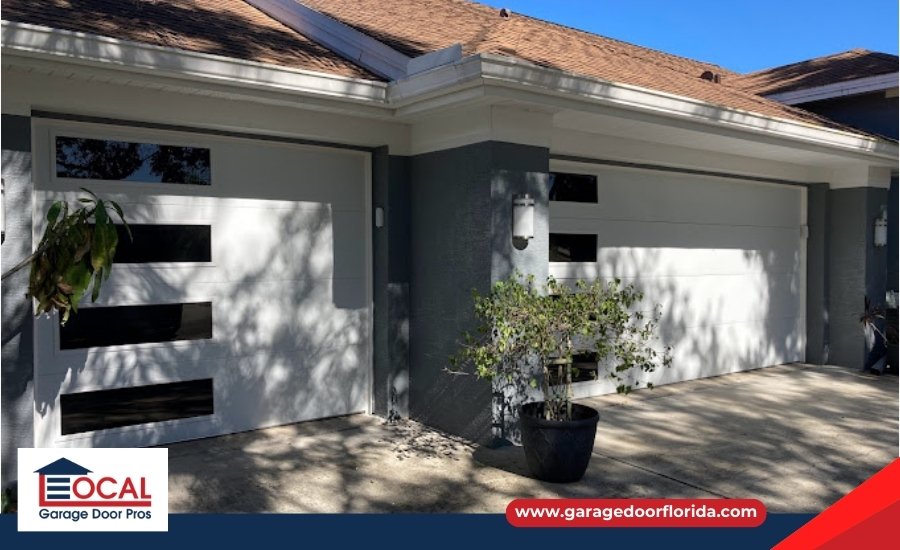
When selecting a garage door, the material is one of your first decisions. The most common materials include steel, aluminum, wood, and composite. Let's examine the pros and cons of each to see how they stack up in terms of lifespan, maintenance, and overall value.
- Steel Garage Doors: Known for their strength and durability, steel doors are a popular choice among homeowners. They resist wear and tear well and can be insulated to improve energy efficiency. However, they can be prone to rust if not properly maintained, especially in coastal areas.
- Aluminum Garage Doors: Aluminum doors are lightweight and resistant to corrosion, making them a good choice for homes in humid or coastal climates. While they're less prone to rust than steel, they can dent more easily.
- Wood Garage Doors: Offering a classic and customizable look, wood doors can be more expensive and require more maintenance to prevent rot, warping, and termite damage. They are prized for their aesthetic appeal but might not last as long as their metal counterparts without regular upkeep.
- Composite Garage Doors: These doors combine the beauty of wood with the durability of synthetic materials, making them a low-maintenance and durable option. Composite doors are resistant to rot and decay and can mimic the look of natural wood quite effectively.
Material-Specific Maintenance Tips
Maintaining your garage door is key to extending its lifespan, regardless of its material. Here's how you can keep each type of door in top shape:
Steel Garage Doors
For steel doors, a regular cleaning with mild soap and water is necessary to prevent rust. Check for scratches or dents that could breach the protective coating. Applying a fresh coat of paint when needed can also ward off corrosion.
Aluminum Garage Doors
Aluminum doors benefit from cleaning routines similar to steel. Due to their lighter weight and resistance to rust, they're easier to maintain. However, fixing dents promptly is crucial to preserving their appearance and functionality.
Wood Garage Doors
Wood requires more care, including periodic staining or painting to protect against moisture and sunlight. Inspect for signs of rot or pest infestation regularly. Keeping the wood sealed and treated will maintain its beauty and integrity.
Composite Garage Doors
Composite doors are the easiest to maintain, needing only basic cleaning to keep them looking new. They don't require painting or staining, as their color runs through the entire material, making them resistant to fading and wear.
Cost vs. Lifespan Analysis
When investing in a garage door, considering both the initial cost and the expected lifespan offers a clearer value picture.
- Steel Garage Doors: Steel doors offer a great balance of cost and longevity. They're affordable and, with proper care, can last decades. Their durability makes them a cost-effective choice over time.
- Aluminum Garage Doors: Aluminum doors, while generally more expensive than steel, offer a long lifespan due to their rust resistance. They're a smart investment, especially in areas with harsh weather conditions, due to their ease of maintenance.
- Wood Garage Doors: Wood doors come with a higher upfront cost, mainly because of their aesthetic appeal and customization options. The need for more frequent maintenance can add to the long-term costs, making them more of an investment in appearance and style.
- Composite Garage Doors: Composite doors, though on the higher end of the price spectrum, justify their cost through minimal maintenance needs and longevity. They're an excellent long-term investment for those seeking the look of wood without the upkeep.
The Impact of Usage Patterns on Garage Door Longevity
How often you use your garage door plays a big role in how long it will last. Let's break down how daily wear and tear can affect different parts of your garage door and how to minimize the impact.
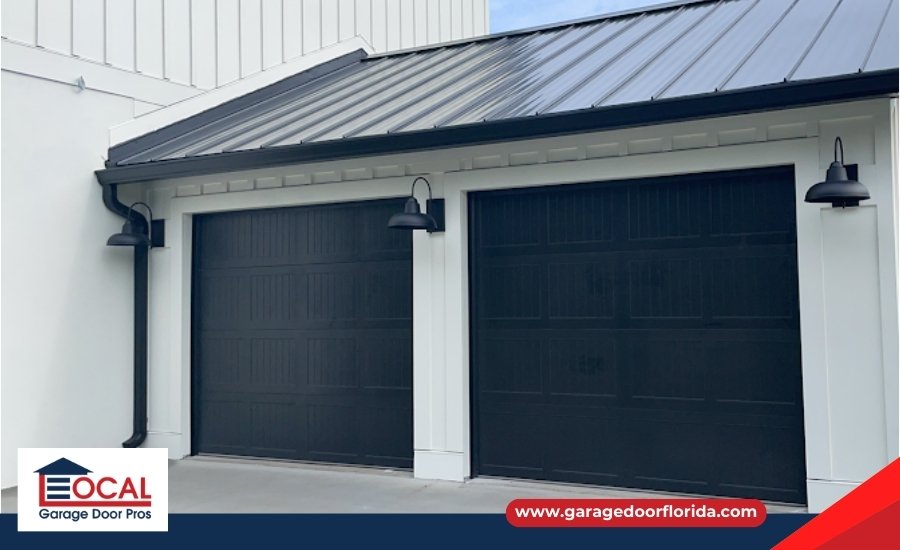
Understanding Daily Wear and Tear
Every time your garage door opens and closes, it cycles. These cycles can add up, affecting the door's components over time. Here's a closer look:
- Springs: The springs bear a lot of tension and are one of the first parts to wear out. Regular checks can spot wear before it leads to failure.
- Openers: Garage door openers can also suffer from frequent use. Listening to unusual noises can catch issues early.
- Tracks and Rollers: Each cycle pressures the tracks and rollers. Keeping them clean and lubricated ensures smoother operation.
- Cables and Pulleys: These parts work hard to lift and lower the door. Fraying cables or worn pulleys need quick attention to prevent accidents.
Adjusting for High-Traffic Scenarios
In environments where garage doors are used more frequently, such as in busy households or commercial settings, special considerations can help extend their lifespan. Here are effective strategies:
- Schedule More Frequent Maintenance: Increased use means more wear and tear. Setting up more regular maintenance checks can catch issues early.
- Choose Durable Materials: Opt for materials known for their durability, such as high-grade steel or industrial-grade aluminum, to withstand frequent use.
- Upgrade Components: Consider investing in heavy-duty springs, rollers, and openers for high-traffic scenarios. These components are built to last longer under stress.
Implementing these strategies ensures that even in high-usage environments, your garage door remains functional and safe for longer periods, reducing the need for premature replacements.
Technology and Durability
Modern technology offers innovative solutions that can significantly impact the durability and functionality of garage doors. Here's how tech advancements contribute to longevity:
- Smart Garage Door Openers: These devices can monitor usage patterns and alert you to potential issues before they become serious, allowing for timely maintenance.
- Automatic Maintenance Reminders: Many smart systems include features that remind you when it's time for a check-up, ensuring that maintenance needs are never overlooked.
- Wear and Tear Sensors: Some newer models come equipped with sensors that detect excessive wear on components like springs and cables, prompting you to act before a failure occurs.
Preventive Maintenance: Your Garage Door’s Best Friend
Keeping your garage door in peak condition isn't just about fixing problems as they occur. A proactive approach to maintenance can prevent issues from arising in the first place, saving you time and money in the long run. Here's how to establish a maintenance schedule that will keep your garage door working smoothly for years.
Setting Up a Maintenance Schedule
Creating a routine for garage door maintenance ensures that all parts are regularly inspected and serviced, reducing the likelihood of unexpected failures. Follow these steps to set up your schedule:
- Monthly Visual Inspection: Check all visible parts for signs of wear and tear. Look for rust on steel parts, warping or rot in wood, and any signs of fraying on cables.
- Quarterly Lubrication: Apply a silicone-based lubricant to moving parts like springs, rollers, and hinges. This keeps the door operating quietly and smoothly.
- Bi-annual Balance Test: Disconnect the opener and manually open the door halfway. If it doesn’t stay put, the springs may need adjustments.
- Annual Professional Inspection: Even with diligent personal maintenance, having a professional check your garage door can catch issues you might miss. They can also perform more complex maintenance tasks safely.
DIY Maintenance Tips
Keeping your garage door in excellent condition doesn't always require professional help. Here are some straightforward DIY tips that homeowners can easily follow to ensure their garage doors function properly:
- Lubricate Moving Parts: Once every few months, apply a silicone-based lubricant to the rollers, tracks, hinges, and springs to ensure smooth operation.
- Tighten Up Hardware: The vibration caused by the door's movement can loosen hardware over time. Use a socket wrench to tighten any loose bolts or screws.
- Test the Door Balance: If your garage door isn't properly balanced, the opener must work harder, which can shorten its lifespan. Disconnect the opener and manually lift the door halfway. It should stay in place; if it doesn’t, it may be time to adjust the tension of the springs (which should be done by a professional).
- Inspect and Replace Weatherstripping: The rubber weather seal strip on the bottom of your door helps keep out the elements and pests. Check it regularly and replace it if you notice cracks or breaks.
- Keep the Tracks Clean: Make sure the tracks on either side of the door are debris-free. You can wipe them down or use a vacuum to remove any obstructions.
When to Call the Professionals
While many maintenance tasks can be handled on your own, certain situations require the expertise of a professional garage door technician. Here's how to know when to call in the pros:
- Spring Adjustment or Replacement: Torsion springs, which help lift your door, are under much tension and can be dangerous to adjust or replace without the proper tools and expertise.
- Cable Replacement: If you notice frayed or broken cables, you must get professional help immediately. These cables are under high tension and can cause injury if improperly handled.
- Door Opener Repairs: If your garage door opener is malfunctioning, a professional can diagnose and fix the problem, whether it's a mechanical issue or something to do with the electronics.
- Significant Door Damage: Large dents or structural damage to the door itself can affect its operation and may require replacement panels or other major repairs that professionals can best handle.
Weather Conditions and Your Garage Door
Your garage door faces the elements year-round, from scorching heat to cold, not to mention rain, snow, and wind. Each type of weather can uniquely impact your garage door's materials and components. Understanding these effects can help you better maintain and protect your door.
Battling the Elements
Different weather conditions pose different challenges for garage doors:
- Heat and Sun: Prolonged exposure to direct sunlight can fade the color of your garage door and, in the case of wooden doors, can cause warping or cracking. While not prone to warping, metal doors can expand slightly, which may affect their operation.
- Cold and Freeze: Freezing temperatures can stiffen the mechanism of your garage door opener and thicken lubricant, making it harder for the door to open or close. The cold can also cause metal components to contract, potentially leading to misalignment.
- Rain and Humidity: Moisture can lead to rust on metal doors and components, and wood doors might absorb water and swell, hindering smooth operation. Regular sealing and waterproofing can mitigate these issues.
- Wind: High winds, especially during storms or hurricanes, can physically damage the door or misalign it with its tracks. Reinforced doors designed for high wind resistance are essential in prone areas.
Here's a quick guide to the effects of weather on garage door materials and what you can do:
| Weather Condition | Effect on Garage Door | Maintenance Tips |
| Heat and Sun | Fading, warping, expansion | Apply UV-resistant finish, regular inspections |
| Cold and Freeze | Stiffening, thickening lubricant, contraction | Use silicone-based lubricant, check alignment |
| Rain and Humidity | Rust, swelling, water damage | Seal and waterproof, regular rust prevention |
| Wind | Physical damage, misalignment | Install wind-resistant features, regular checks |
By staying aware of how different weather conditions can affect your garage door and taking proactive steps for each season, you can ensure your garage door remains in good condition, providing security and efficiency all year round.
Weatherproofing Solutions
To shield your garage door from the harshness of extreme weather and climate conditions, implementing weatherproofing measures is key. These steps not only protect the door itself but also help maintain the internal environment of your garage, which can be crucial for energy efficiency and preventing damage to stored items.
- Seal the Edges: Install weatherstripping around the sides and top of the door and a seal on the bottom. This prevents water, dust, and drafts from entering.
- Apply Protective Coatings: Use a waterproof sealant or paint to guard against moisture for wooden doors. Metal doors can benefit from rust-resistant paint.
- Insulate the Door: Adding insulation helps maintain temperature control, which is important in hot and cold climates.
- Regular Cleaning and Inspection: Keep the door and its components clean from debris and buildup, which can affect its sealing capabilities.
Seasonal Maintenance Guide
To ensure your garage door operates smoothly year-round, adapt your maintenance routine to the changing seasons. Here’s how:
Spring
- Inspect and Clean: After winter, check for any damage or wear. Clean the tracks and lubricate moving parts.
- Update Weatherstripping: Replace any cracked or worn weatherstripping to prepare for spring showers.
Summer
- Protect Against Heat: Apply UV-protectant to the door’s exterior to prevent fading and warping from the sun.
- Check Insulation: Ensure your insulation is intact to keep your garage cool.
Fall
- Prepare for Cold: Inspect the door and opener for any issues that cold weather might exacerbate. Consider adding or replacing the bottom seal to keep out drafts.
- Lubricate Moving Parts: Cold weather can thicken lubricants, so apply a silicone-based lubricant to keep parts moving smoothly.
Winter
- Inspect for Ice Accumulation: Ice can form in the tracks and on the door, preventing it from opening. Gently remove any ice buildup.
- Check Balance: Cold weather can affect the tension in springs. Perform a balance test and adjust as necessary.
Advanced Topics in Garage Door Lifespan
The longevity and efficiency of your garage door depend on various factors, including how well it is insulated. Proper insulation not only helps in temperature control within your garage but also significantly extends the door's lifespan by protecting it from the elements and reducing stress on the door's operating mechanism.
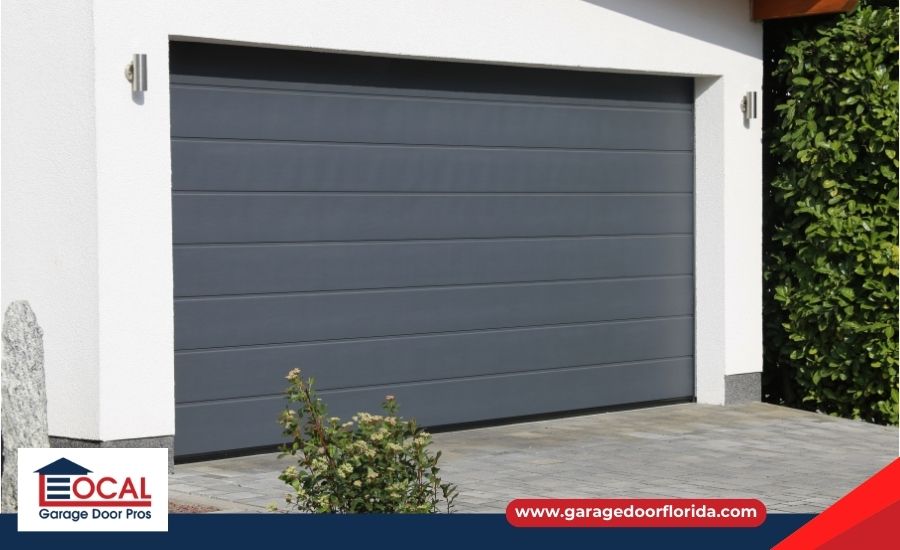
The Role of Insulation in Garage Door Longevity
Insulation is crucial for maintaining the durability and functionality of your garage door. Here's how it contributes:
- Temperature Regulation: Insulation keeps your garage warmer in winter and cooler in summer. This consistent temperature reduces the expansion and contraction of materials, which can lead to warping or cracking.
- Energy Efficiency: A well-insulated garage door helps to lower energy costs by maintaining a more stable temperature in the garage, especially if it's attached to your house.
- Noise Reduction: Insulation can also dampen street noise, making your garage a quieter space. This is particularly beneficial if you use your garage as a workshop or living space.
- Protection Against Elements: Insulated doors are better equipped to withstand harsh weather conditions, protecting against wind, rain, and snow infiltration.
- Reduced Wear on Components: By maintaining a more consistent temperature, the stress on the door's operating mechanism is minimized, leading to fewer repairs and a longer lifespan.
Upgrading for Lifespan: When and Why
Upgrading or replacing your garage door is a significant decision that can greatly impact its lifespan and functionality. Here’s when and why considering an upgrade is beneficial:
- Technological Advancements: Modern garage doors come equipped with the latest technology, offering improved efficiency, security, and ease of use. Upgrading to a new model can provide benefits like smart home connectivity and enhanced insulation.
- Wear and Tear: Over time, garage doors can show signs of wear, such as dents, rust, or sagging. Replacing an old door with a new, more durable model can prevent future issues and enhance curb appeal.
- Safety Upgrades: New garage doors include updated safety features like auto-reverse mechanisms and motion detectors, which are essential for protecting your family and pets from accidents.
- Energy Efficiency: If your garage door is poorly insulated, replacing it with an insulated model can significantly reduce energy costs by better regulating temperature in the garage and adjacent living areas.
An upgrade can revitalize the look of your home, increase security, and ensure your garage door operates smoothly for years to come.
Safety Features and Longevity
The inclusion of modern safety features in garage doors not only protects users but also contributes to the longevity of the door itself:
- Auto-Reverse Mechanism: This feature detects objects in the door's path and reverses direction to prevent accidents, reducing potential damage to the door and opener.
- Motion Detection Lights: Integrated lights improve visibility and safety around the garage area, discouraging potential intruders and preventing accidental collisions.
- Manual Release Handle: In case of power outages or mechanical failures, this allows the door to be opened manually, preventing damage from forced attempts to open or close the door.
- Rolling Code Technology: This security feature changes the door’s access code with each use, reducing the risk of unauthorized access and potential damage from break-ins.
Frequently Asked Questions
What is the average lifespan of a garage door?
The average lifespan of a garage door typically ranges between 15 to 30 years. However, this duration can vary widely based on several factors, including the door's material, the installation's quality, and the level of maintenance it receives. For instance, steel and aluminum doors are known for their durability and can last towards the upper end of this range, especially with regular upkeep. In contrast, wooden doors might require more frequent replacements due to their susceptibility to weather conditions unless they're meticulously maintained. Consistent maintenance and timely repairs are crucial in maximizing the lifespan of your garage door, regardless of its material.
How often should a garage door be serviced?
It's recommended to service your garage door at least once a year. This annual maintenance should include thoroughly inspecting the door's components, such as springs, cables, rollers, and openers, to ensure they're in good working condition. Regular servicing helps identify and fix potential issues early, preventing them from escalating into more significant, costly repairs. Additionally, certain elements, like lubrication of moving parts, should be done every few months to maintain smooth operation and extend the door's lifespan.
Can I extend the life of my garage door with DIY maintenance?
Yes, you can significantly extend the life of your garage door with DIY maintenance. Regular tasks include lubricating moving parts, tightening loose bolts and screws, and cleaning the tracks to keep the door operating smoothly. Inspecting for wear and tear, such as rust on metal parts or rot in wooden doors, and addressing these issues promptly can also help. However, it's important to recognize when to call professionals for certain maintenance tasks, such as spring replacement, to ensure safety and proper handling.
What are the signs that my garage door needs to be replaced?
Signs that your garage door may need to be replaced include persistent operational issues despite regular maintenance, significant visible damage like large dents or warping, and increased noise during operation. If your door lacks modern safety features or if you're facing escalating repair costs, considering a replacement can also be wise. A new garage door can offer enhanced security, improved energy efficiency, and better curb appeal for your home.
How does the weather in my area affect my garage door's lifespan?
Weather conditions can have a profound impact on your garage door's lifespan. Extreme temperatures, moisture, and wind can all wear down different door components over time. For example, high humidity can lead to rust in metal doors and rot in wooden ones, while strong winds can misalign or damage the door. Using weather-appropriate materials and regular weatherproofing measures, like sealing and insulation, can mitigate these effects and help extend the lifespan of your garage door.
Choose Local Garage Door Pros to Improve Your Garage Door Lifespan
Ready to enhance your home with a garage door that combines style, security, and efficiency? Reach out to Local Garage Door Pros today. Let us help you find the perfect garage door solution crafted to meet the highest quality and durability standards.
Recent Posts
-
Diagnosing a Garage Door That Jerks When Closing
Jul 26, 2026 -
Diagnosing a Garage Door That Bounces When Closing
Jul 26, 2026 -
Why is My Garage Door Making a Grinding Noise?
Jul 26, 2026