- Factors Affecting the Lifespan of Your Garage Door Opener
- Frequency of Use
- Environmental Conditions
- Type of Garage Door Opener
- Average Lifespan of Different Types of Garage Door Openers
- Chain-Driven Openers
- Signs That Your Garage Door Opener Needs Repair or Replacement
- Unusual Noises
- Delayed Response
- Inconsistent Operation
- Maintenance Tips to Extend the Lifespan of Your Garage Door Opener
- Lubrication
- Check Belt or Chain Tension
- Tightening Nuts and Bolts
- Upgrading to a Modern Garage Door Opener: New Features to Consider
- Smart Connectivity
- Battery Backup
- Security Features
- Choosing the Right Garage Door Opener Based on Usage
- For Heavy Usage
- For Quiet Operation
- For Budget-Conscious Buyers
- Cost Comparison: Repair vs. Replacement
- Typical Repair Considerations
- Replacement Considerations
- When to Repair vs. Replace
- DIY vs. Professional Repair: When to Call in an Expert
- DIY Tasks
- When to Call a Professional
- Why Choose Professional Repair
- How to Keep Your Garage Door Opener Running Smoothly for Years
- Frequently Asked Questions
- Are garage door openers worth repairing?
- Why would a garage door opener stop working?
- Is there a reset button on garage door openers?
- What is the life expectancy of a garage door opener?
- Why does my garage door opener work sometimes and not others?
- Need Help with Your Garage Door Opener? Contact Local Garage Door Pros Today!
Garage door openers typically last 10 to 15 years, depending on how often you use them and how well you maintain them. Regular how to repair garage opener troubleshooting and quick repairs can extend the lifespan of your opener. Addressing small issues early, such as repairing your garage door opener remote or checking the chains and belts, can save you from bigger, costly repairs down the road.
Factors Affecting the Lifespan of Your Garage Door Opener
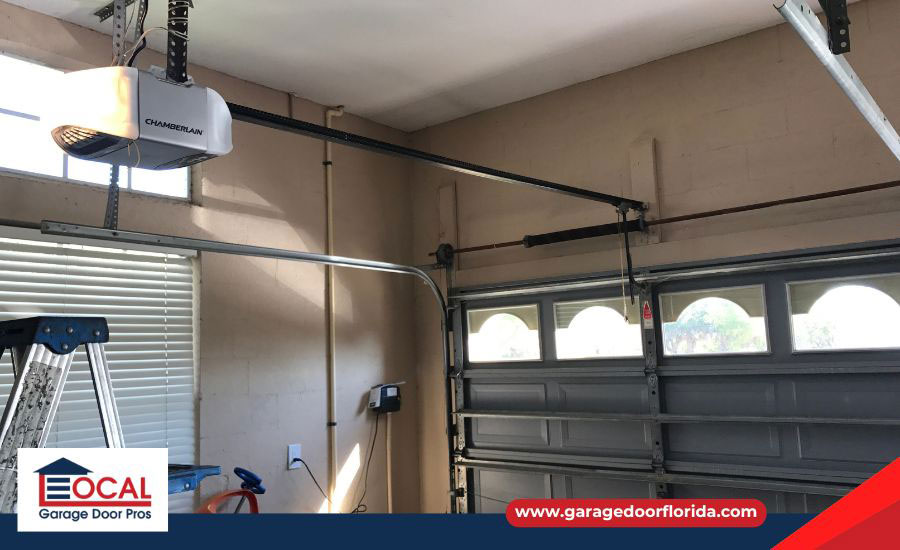
Several factors determine how long your garage door opener will last. These include how frequently you use it, the environment it operates in, and the type of opener you have installed.
Frequency of Use
Frequent use wears down your opener's parts more quickly. If your garage door is opened multiple times daily, you will need to troubleshoot your garage door opener more often. Taking care of high-use openers means regularly checking for common issues and performing small repairs.
- Tighten chains or belts to prevent strain.
- Lubricate the moving parts regularly.
- Inspect for any signs of wear and tear.
Environmental Conditions
Environmental factors like extreme weather, humidity, or exposure to moisture can affect how long your garage door opener lasts. Openers in areas with harsh weather may need garage door opener troubleshooting more frequently, and parts might wear out sooner.
- Keep the opener dry to avoid rust.
- Protect the motor from extreme temperatures.
- Clean debris off the tracks regularly.
Type of Garage Door Opener
The type of opener you have installed impacts its lifespan. Each type has different maintenance needs, and performing regular checks will help extend its life.
- Chain-driven openers: Strong but require frequent maintenance. Last about 10-15 years.
- Belt-driven openers: Quieter and more durable, lasting up to 20 years.
- Screw-driven openers: Require less maintenance but are noisier and may only last for a short time.
Average Lifespan of Different Types of Garage Door Openers
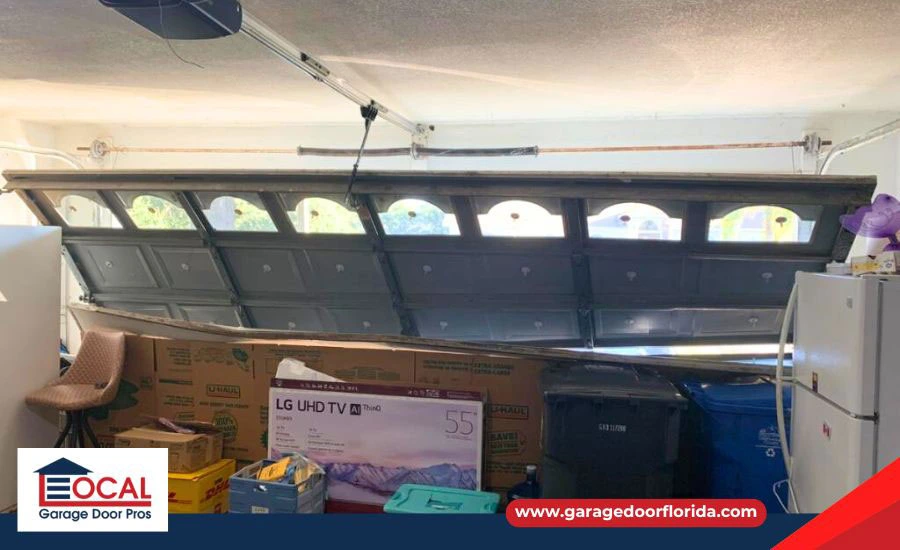
The lifespan of a garage door opener largely depends on the type of system in use. Understanding the differences can help you choose the right one for your needs and maintain it properly.
Chain-Driven Openers
Chain-driven openers are durable and can lift heavy doors, but they need more regular maintenance due to the constant movement of the chain. These openers typically last 10 to 15 years, but frequent garage door opener troubleshooting is necessary to keep them in good condition.
- Inspect the chain tension regularly.
- Lubricate the chain and moving parts.
- Fix any loose parts or worn-out gears immediately.
Signs That Your Garage Door Opener Needs Repair or Replacement
Recognizing the signs of a failing garage door opener early can save you from costly repairs. If you experience the following problems, it may be time for garage door opener troubleshooting or even replacement.
Unusual Noises
Strange noises like grinding, squeaking, or rattling often signal that something is wrong with your opener. Worn-out gears, loose parts, or a dry chain may be the cause. Regular lubrication and garage door opener troubleshooting can help fix the issue.
- Listen for grinding sounds during operation.
- Check the opener's chain or belt for wear.
- Lubricate moving parts to reduce noise.
Delayed Response
If your garage door doesn't open or close immediately after pressing the button on your remote or wall switch, the motor or circuit board could fail. Immediate garage door opener troubleshooting may prevent a complete breakdown.
- Test the remote and wall switch for response times.
- Inspect the motor for any signs of damage.
- Check the circuit board for faults.
Inconsistent Operation
When your garage door works only sometimes or behaves unpredictably, sensors or wiring may be to blame. Troubleshooting the garage door opener can help you find and fix the issue.
- Make sure the sensors are aligned and not blocked.
- Inspect wires for pinching or damage.
- Test the remote and check for dead batteries.
Maintenance Tips to Extend the Lifespan of Your Garage Door Opener
Taking care of your garage door opener is the best way to avoid frequent repairs and extend its life. Simple maintenance tasks can prevent breakdowns and ensure your opener operates smoothly for many years.
Lubrication
Keeping the moving parts of your garage door opener well-lubricated is essential to prevent wear and tear. Lubrication reduces friction and keeps the system running smoothly, reducing garage door opener troubleshooting.
- Lubricate chains, belts, and rollers every few months.
- Use a silicone-based lubricant for best results.
- Avoid using too much lubricant, as it can attract dust.
Check Belt or Chain Tension
A loose or tight belt or chain can strain the motor, leading to frequent garage door opener problems. Regularly checking the tension and making adjustments can prevent these issues.
- Adjust the tension of the chain or belt if it sags.
- Follow the manufacturer's guidelines for the correct tension.
- Check the tension every few months, especially after heavy use.
Tightening Nuts and Bolts
Loose hardware can cause your garage door opener to vibrate and wear down faster. Inspect and tighten any nuts, bolts, and brackets regularly to prevent garage door opener troubleshooting later on.
- Tighten loose bolts and screws as part of regular maintenance.
- Check the track, opener, and door hardware.
- Ensure the opener is securely mounted.
Upgrading to a Modern Garage Door Opener: New Features to Consider
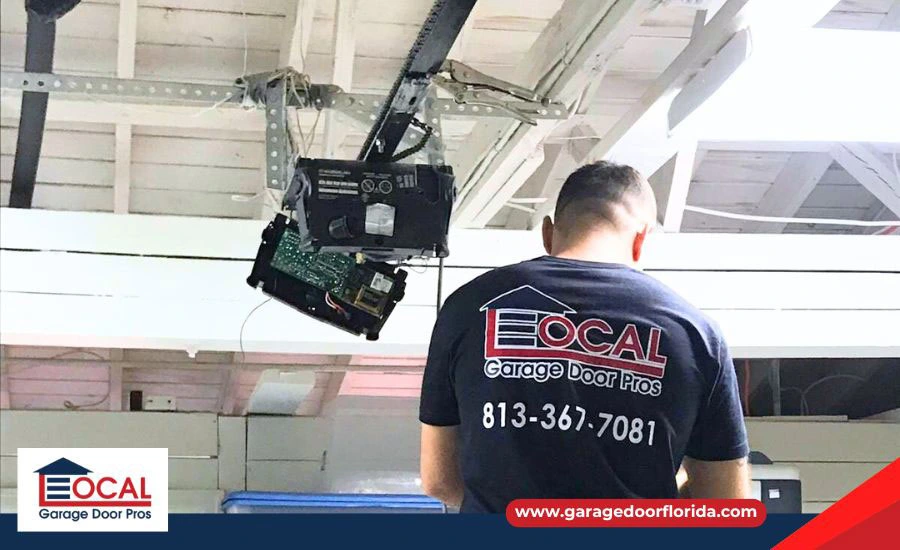
It may be time to upgrade if your garage door opener is outdated or frequently needs repairs. Modern garage door openers come with features that offer more convenience, security, and longer-lasting performance, making garage door opener troubleshooting less frequent.
Smart Connectivity
Many newer garage door openers have Wi-Fi or smartphone control, allowing you to remotely monitor and operate your garage door. These features make life more convenient and help prevent issues that would otherwise require garage door opener troubleshooting.
- Open and close your garage door from anywhere with your phone.
- Receive alerts if the garage door is left open.
- Schedule automatic closures for added security.
Battery Backup
A garage door opener with a battery backup ensures your door will still function during power outages. This feature can prevent the need to troubleshoot power-related issues like resetting the opener after a power cut.
- The backup kicks in automatically during power outages.
- Prevents you from getting locked out during blackouts.
- Maintains the safety of the garage even when power is out.
Security Features
Newer garage door openers offer enhanced security features such as rolling code technology, which changes the access code every time the remote is used. This makes it harder for potential intruders to gain access to your garage.
- Look for openers with rolling code technology.
- Some models offer built-in video surveillance.
- Smart features can notify you of suspicious activity.
Choosing the Right Garage Door Opener Based on Usage
The best garage door opener for you depends on how often you use it, how much noise you're willing to tolerate, and your budget. Understanding these factors can help reduce garage door opener troubleshooting and extend the life of your system.
For Heavy Usage
If your garage door is used frequently throughout the day, you need an opener to handle the load. A chain-driven opener is a good choice for durability and heavy-duty performance, though it may require more frequent garage door opener troubleshooting due to its moving parts.
- Ideal for garages used as the main entry point.
- Strong enough for larger, heavier doors.
- Requires regular maintenance to keep the chain working smoothly.
For Quiet Operation
A belt-driven opener is the best option if your garage is attached to your home and you prefer quiet operation. These openers are smooth and quiet, perfect for homes where noise is a concern, and they generally require less frequent garage door opener troubleshooting.
- Best for homes with bedrooms near the garage.
- Offers quieter performance compared to chain-driven openers.
- Can last up to 20 years with proper care.
For Budget-Conscious Buyers
A chain-driven opener is the most affordable option, though it may require more frequent maintenance. If you're on a budget but still need reliable performance, a chain-driven opener offers durability at a lower cost but be prepared for occasional garage door opener troubleshooting.
- Most cost-effective option.
- Durable and strong for everyday use.
- Requires more maintenance than belt-driven options.
Cost Comparison: Repair vs. Replacement
When your garage door opener starts having problems, the decision to repair or replace it depends on the extent of the damage and the age of the opener. Understanding the typical repairs and replacements needed can help you decide if simple garage door opener troubleshooting will suffice or if it's time for an upgrade.
Typical Repair Considerations
Common repairs include replacing the motor, fixing the garage door opener chain, or addressing sensor issues. These repairs are usually manageable and can extend the opener's life without needing a replacement. If you are experiencing issues with the remote, circuit board, or sensors, simple garage door opener troubleshooting may resolve the problem.
- Replacing the circuit board can restore proper function.
- Sensor realignment can fix issues with the door opening or closing inconsistently.
- Motor repairs can address slow or unresponsive garage door openers.
Replacement Considerations
If your garage door opener is nearing the end of its lifespan or frequently needs repairs, replacing it with a new unit may be the best option. Newer openers have improved features, like smart connectivity and enhanced security, making them a worthwhile upgrade.
- A chain-driven opener is a reliable and durable option for heavy-duty use.
- A belt-driven opener offers quieter operation and is ideal for homes where noise is a concern.
- For added convenience and security, consider upgrading to an opener with Wi-Fi or smartphone control.
When to Repair vs. Replace
Knowing when to repair and when to replace is important to ensure long-term reliability. If your opener is still relatively new and the repair is minor, garage door opener troubleshooting should solve the problem. However, if the opener is over 10 years old and requires significant repairs, replacing the unit may save you from dealing with frequent breakdowns in the future.
- Repair if the problem is minor and doesn't affect the overall function of the opener.
- Replace if the opener is over 10-15 years old and has experienced frequent issues.
- Upgrading to a modern opener with improved features can reduce future maintenance needs.
DIY vs. Professional Repair: When to Call in an Expert
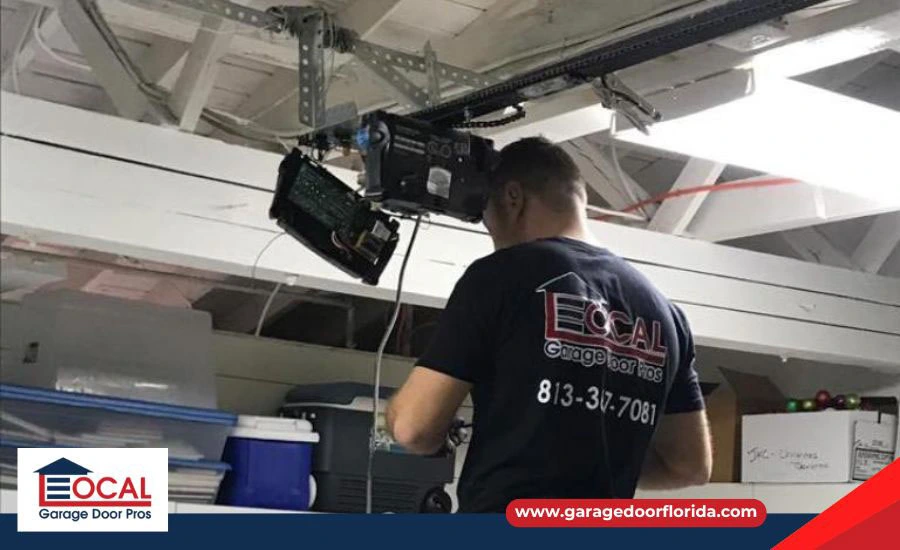
Knowing when you can handle a garage door opener repair yourself and when to call a professional is important. While many minor issues can be resolved with simple garage door opener troubleshooting, more complex problems require expert help to avoid further damage or safety risks.
DIY Tasks
Certain garage door opener issues are easy to fix, especially with basic garage door opener troubleshooting. These tasks generally don't involve complex components or safety hazards.
- Lubrication: Regularly lubricating the chains, belts, and other moving parts can prevent wear and tear.
- Remote Battery Replacement: Changing the batteries in your remote is a quick and simple fix for unresponsive openers.
- Sensor Realignment: If your garage door doesn't close properly, you can easily realign the sensors to restore function.
When to Call a Professional
Some repairs are best left to a professional, especially when dealing with electrical components or parts under tension, like springs or the motor. Attempting these repairs without the right tools or knowledge can lead to injury or further damage to the opener.
- Motor Repairs: A failing motor requires professional attention to ensure proper function and safety.
- Broken Springs: Garage door springs are under much tension and can be dangerous to replace.
- Complex Electrical Issues: Problems with the circuit board or wiring should be handled by an expert to avoid electrical hazards.
Why Choose Professional Repair
Hiring a professional for major garage door opener repairs ensures the job is done correctly and safely. Technicians have the right tools and experience to fix complex issues and can help prevent further damage. Additionally, they can identify underlying problems that may not be obvious during basic garage door opener troubleshooting.
How to Keep Your Garage Door Opener Running Smoothly for Years
Regular maintenance and small repairs, such as lubrication and tightening bolts, can help extend the lifespan of your opener. When larger issues arise, such as motor failure or broken springs, it's important to know how to repair a garage opener or call in a professional to avoid further damage. You can ensure long-lasting performance by following these tips and upgrading to modern features when necessary. If you're ever in doubt or need expert assistance, trust Local Garage Door Pros to keep your garage door opener running smoothly for years.
Frequently Asked Questions
Are garage door openers worth repairing?
Yes, especially if the issue is minor, such as a faulty remote or sensor. Garage door opener troubleshooting can often resolve small problems without a full replacement.
Why would a garage door opener stop working?
Common reasons include dead batteries, misaligned sensors, or motor issues. Use how-to repair garage opener techniques to troubleshoot these problems.
Is there a reset button on garage door openers?
Yes, many openers have a reset button. How to reset garage door openers can vary depending on the model, but it's generally a simple fix.
What is the life expectancy of a garage door opener?
On average, garage door openers last between 10-15 years, but proper maintenance can extend their lifespan to 20 years.
Why does my garage door opener work sometimes and not others?
This could be due to sensor issues, interference with the remote signal, or wiring problems. Regular garage door opener troubleshooting can help diagnose the issue.
Need Help with Your Garage Door Opener? Contact Local Garage Door Pros Today!
If you're experiencing any issues with your garage door opener or need assistance on how to repair a garage opener, don't hesitate to contact Local Garage Door Pros. Our expert team is ready to help with any repairs, replacements, or maintenance to ensure your garage door operates smoothly. Call us today at (813) 822-3050 to schedule your service and keep your garage door working like new.
Recent Posts
-
Diagnosing a Garage Door That Jerks When Closing
Jul 26, 2026 -
Diagnosing a Garage Door That Bounces When Closing
Jul 26, 2026 -
Why is My Garage Door Making a Grinding Noise?
Jul 26, 2026