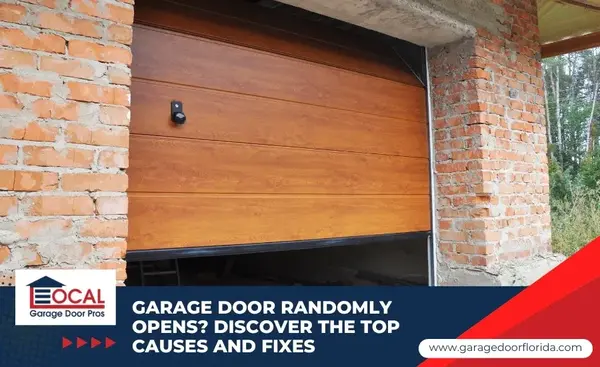
A garage door randomly opens can create safety and security concerns for your home. This issue might occur due to problems with remotes, electrical circuits, or sensor alignment. Older garage door systems may also face interference from nearby devices. Fixing this problem often starts with understanding the possible causes, which can be addressed through garage door repair services in Florida.
- Common Issues Behind Random Garage Door Openings
- Weak Batteries or Stuck Remote Buttons
- Signal Interference from Nearby Devices
- Misaligned or Dirty Safety Sensors
- Can Wi-Fi or Electronics Affect Garage Door Openers?
- How Electronics Cause Interference
- How to Resolve Signal Issues
- The Role of Limit Settings in Garage Door Behavior
- What Are Limit Settings?
- How to Adjust Limit Settings Safely
- What to Do When Debris Blocks Safety Sensors
- How to Check for Blockages
- Why Sensor Alignment Matters
- Electrical Circuit and Component Malfunctions
- Common Electrical Problems
- How to Fix Electrical Malfunctions
- Preventing Interference from Nearby Electronics
- Identify Problematic Devices
- Tips to Minimize Interference
- Upgrading Your System for Better Security and Reliability
- Why Upgrade to Rolling Code Technology?
- Additional Benefits of Modern Openers
- When to Call a Professional Garage Door Technician
- Signs You Need Expert Help
- Benefits of Professional Repairs
- Fixing a Garage Door That Randomly Opens
- Frequently Asked Questions
- Why does my garage door open randomly?
- Can Wi-Fi devices interfere with my garage door opener?
- How do I fix misaligned sensors?
- Should I replace my old garage door opener?
- Can bad weather affect my garage door?
- Resolve Your Garage Door Randomly Opening Today
Common Issues Behind Random Garage Door Openings
Several issues can cause your garage door to open unexpectedly. Below are the most common problems:

Weak Batteries or Stuck Remote Buttons
Weak batteries in your remote transmitter can cause the door to send random signals. Similarly, buttons on the remote or wall opener might stick, leading to unintentional openings.
- What to Do: Replace the batteries in your remote and check all garage door buttons for sticking. If buttons remain stuck after cleaning, consider replacing the remote or wall opener.
Signal Interference from Nearby Devices
Older garage door openers that use fixed frequencies may experience interference from neighbors' remotes or other devices. Even modern systems can occasionally pair incorrectly.
- What to Do: Reprogram the remote or opener to a new frequency. For modern systems, clear the history of paired devices and reconnect your remote.
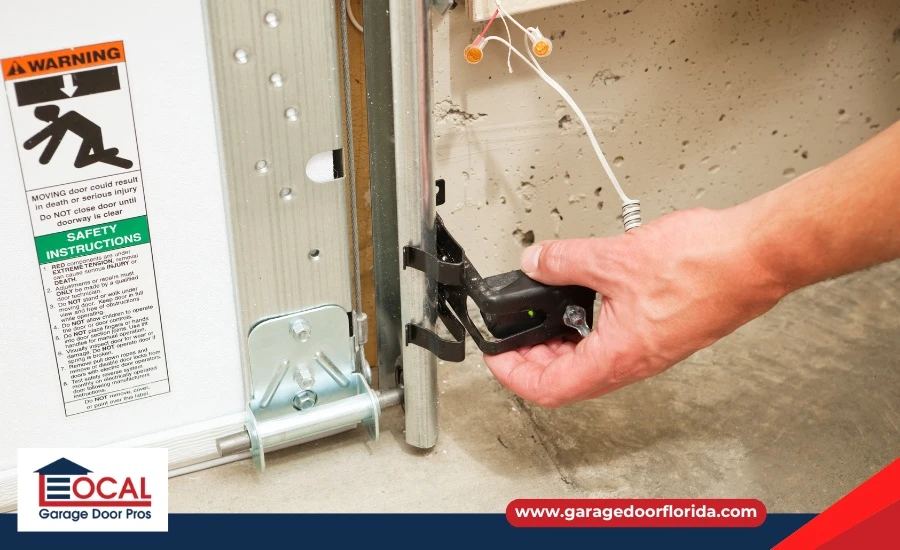
Misaligned or Dirty Safety Sensors
Garage door sensors detect obstacles and prevent the door from closing. Misaligned or dirty sensors can send false signals, making the door reverse or open randomly.
- What to Do: Clean the sensor lenses with a soft cloth and ensure they are aligned correctly. If the problem persists, have a professional inspect the wiring or replace the sensors.
Can Wi-Fi or Electronics Affect Garage Door Openers?
Devices like Wi-Fi routers, LED bulbs, and other electronics can sometimes disrupt the signals used by garage door openers. This interference is more common in older systems or homes with a high density of electronic devices. Even modern systems, designed to minimize interference, may occasionally be affected by overlapping frequencies or electromagnetic interference (EMI).
How Electronics Cause Interference
Certain devices, such as power tools, routers, or car electronics, may emit signals that overlap with the frequency used by your garage door opener. LED bulbs, especially those not designed for garage door systems, can also create EMI, reducing the opener's signal clarity.
- Unshielded Wi-Fi routers.
- LED light bulbs near the opener.
- Large appliances like freezers or electric car chargers.
How to Resolve Signal Issues
Resolving interference often involves relocating or upgrading certain devices.
- Move your Wi-Fi router or other electronic devices away from the garage opener.
- Replace regular LED bulbs with those designed for garage door systems, which minimize interference.
- Use a surge protector with your opener to reduce disruptions caused by power fluctuations.
The Role of Limit Settings in Garage Door Behavior
Garage doors rely on limit settings to determine how far they open and close. If these settings are incorrect, the door may not stop where it should, causing it to reverse unexpectedly. This safety feature is designed to prevent damage or injury, but improper limits can lead to a door that appears to open independently.
What Are Limit Settings?
Limit settings tell the garage door opener how far to move the door in either direction. If the down limit is set too high, the door might hit the ground and reverse, thinking it encountered an obstacle. Similarly, improper open limits can cause the door to stop short or fail to close properly.
How to Adjust Limit Settings Safely
Adjusting limit settings requires precision to avoid operational issues or safety risks.
- Locate the limit adjustment screws, usually found on the opener's motor unit.
- Follow the manufacturer's instructions to make small adjustments.
- Test the door's operation after each adjustment to ensure it moves properly.
What to Do When Debris Blocks Safety Sensors
Garage door safety sensors use an invisible beam to detect objects in the door's path. If debris, dirt, or even a spider web blocks the sensors, the door may interpret this as an obstacle and reverse or fail to close.
How to Check for Blockages
Blocked or dirty sensors are one of the easiest issues to diagnose and fix.
- Inspect the sensor lenses for dirt, debris, or obstructions.
- Clean the lenses gently with a soft cloth to avoid scratches.
- Check the surrounding area for objects that might disrupt the beam, such as tools or storage boxes.
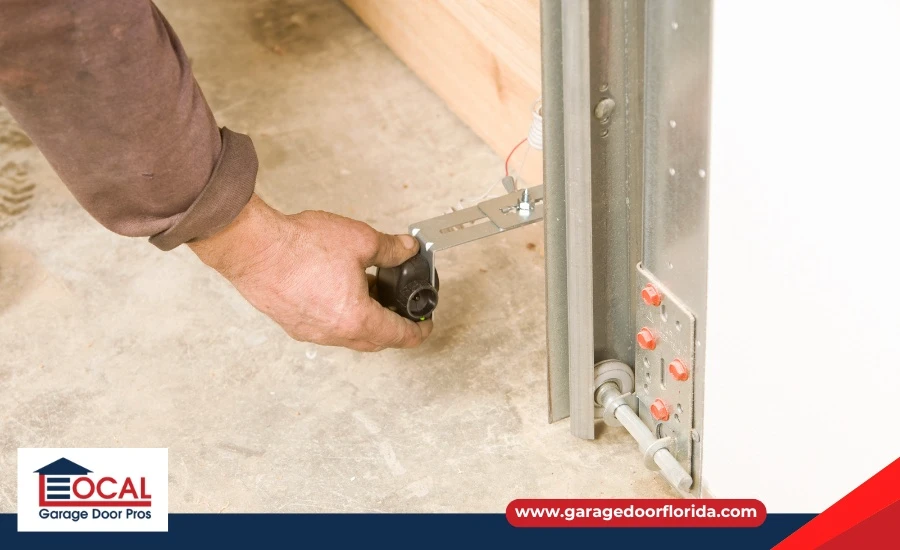
Why Sensor Alignment Matters
Even without debris, misaligned sensors can cause the same problem. Ensure the sensors face each other directly. Look for solid indicator lights on both sensors; blinking or dim lights may indicate a misalignment.
Electrical Circuit and Component Malfunctions
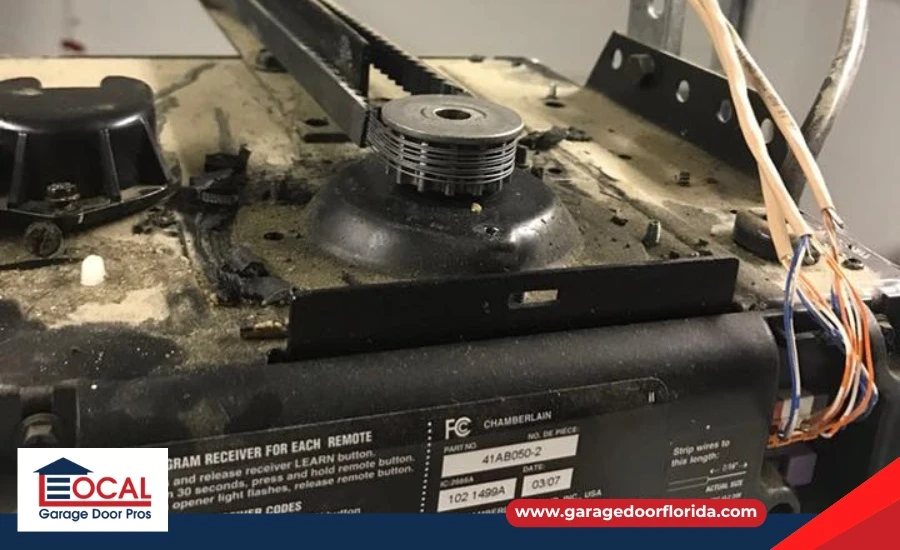
Electrical issues in your garage door system can lead to unpredictable behavior, including the door opening randomly. Damaged wires, circuit boards, or electrical surges can disrupt the proper functioning of your garage door opener.
Common Electrical Problems
- Loose or Damaged Wiring: Vibrations from daily use can loosen wires over time. Damage to tools, rodents, or staples can also lead to shorts or breaks.
- Circuit Board Issues: Power surges or aging components can cause the logic board to malfunction, resulting in erratic door behavior.
- Electrical Surges: Storms or voltage spikes can fry circuits, affecting the opener's functionality.
How to Fix Electrical Malfunctions
Handling electrical issues can be dangerous, so professional inspection is often recommended. However, here are some steps to assess minor problems:
- Check for visible damage to wires running between the opener, sensors, and wall unit.
- Reset the opener by unplugging it and waiting a few minutes before reconnecting.
- Install a surge protector to prevent future electrical damage.
Preventing Interference from Nearby Electronics
Inferences from nearby electronics, such as power tools or Wi-Fi routers, can affect the signals your garage door opener uses. While modern systems are designed to minimize interference, certain situations may still disrupt proper operation.
Identify Problematic Devices
Common sources of interference include:
- Wi-Fi routers are placed near the garage.
- LED or CFL bulbs are installed in the garage door opener.
- Electric car chargers or high-powered tools.
Tips to Minimize Interference
- Relocate Electronics: Move routers and other devices away from the opener.
- Use Shielded Cables: Shielded cables can reduce electromagnetic interference.
- Install Compatible Bulbs: Replace regular LED or CFL bulbs with garage door-specific LED bulbs.
- Secure Devices Properly: Ensure nearby devices are well-shielded and do not share frequencies with the opener.
Upgrading Your System for Better Security and Reliability
Older garage door openers may need more advanced security features of modern systems, making them more susceptible to interference, hacking, or malfunction. Upgrading to a newer system can improve reliability and ensure your home stays secure.
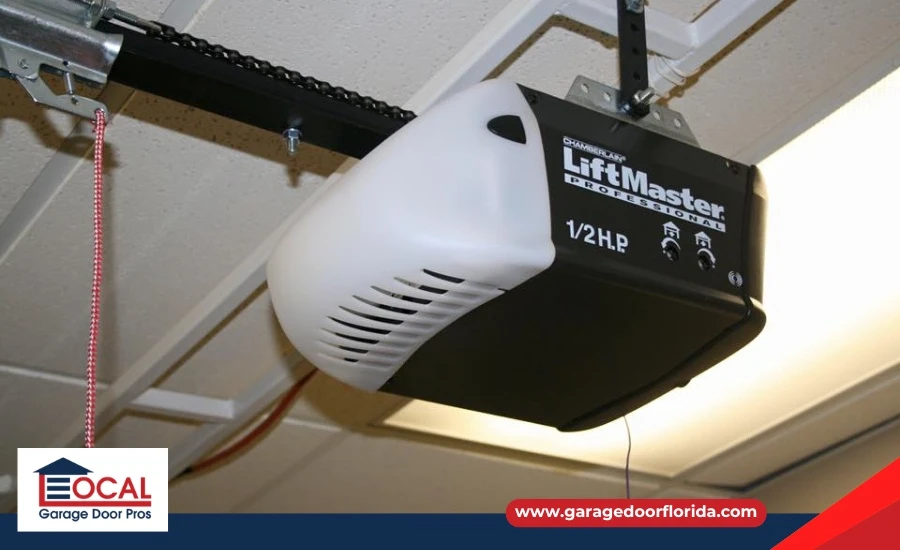
Why Upgrade to Rolling Code Technology?
Modern garage door openers use rolling code technology, which changes the access code each time the door operates. This feature prevents signal cloning and unauthorized access.
- Older fixed-code openers are more vulnerable to hacking.
- Rolling code systems ensure only your remote can control the opener.
Additional Benefits of Modern Openers
- Enhanced safety features, such as better sensor integration.
- Reduced interference with advanced signal filtering.
- Smart home compatibility for remote monitoring and control.
When to Call a Professional Garage Door Technician
Some issues are too complex or dangerous to handle on your own. Persistent problems, damaged components, or mechanical failures require the expertise of a professional garage door technician.
Signs You Need Expert Help
- The garage door continues to open randomly despite troubleshooting.
- Wires or sensors show visible damage.
- The opener's motor or circuit board is unresponsive or malfunctioning.
- Limit adjustments or realignments don't resolve the issue.
Benefits of Professional Repairs
- Accurate diagnosis of complex problems.
- Safe handling of electrical or mechanical components.
- Long-term solutions that prevent recurring issues.
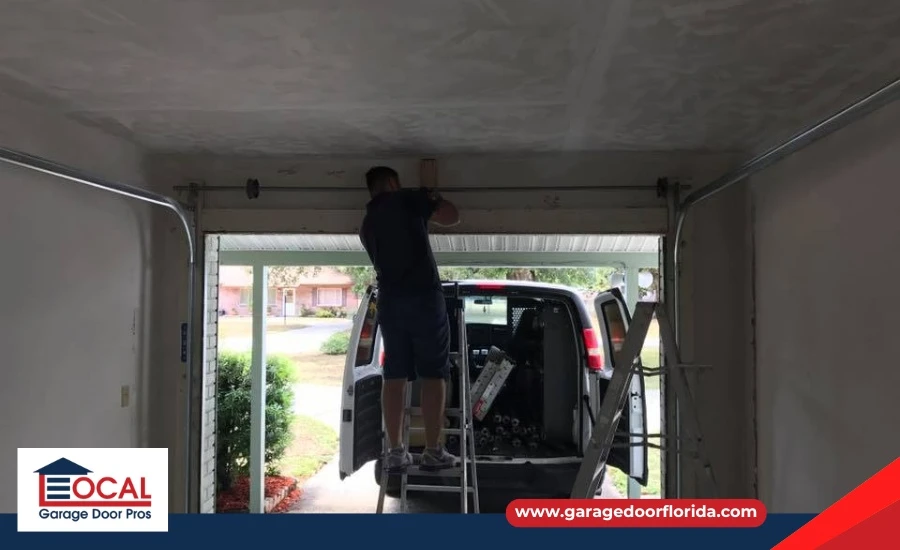
Fixing a Garage Door That Randomly Opens
If your garage door randomly opens, addressing the issue quickly is essential for your home's security and peace of mind. Whether the problem is caused by interference, sensor misalignment, or a faulty opener, identifying the cause can prevent further complications. Take the time to troubleshoot minor issues or contact professionals, like Local Garage Door Pros, for more complex problems. A well-functioning garage door ensures your home stays secure and reliable.
Frequently Asked Questions
Why does my garage door open randomly?
Common causes include interference, stuck buttons, misaligned sensors, or electrical malfunctions. Local Garage Door Pros can help diagnose the issue quickly.
Can Wi-Fi devices interfere with my garage door opener?
Yes, nearby routers or electronics can disrupt signals. Moving these devices or using garage-specific LED bulbs can reduce interference.
How do I fix misaligned sensors?
Ensure both sensors are clean and facing each other directly. If alignment issues persist, contact Local Garage Door Pros for assistance.
Should I replace my old garage door opener?
If your opener lacks rolling code technology or frequently malfunctions, upgrading to a modern system is recommended. Local Garage Door Pros can guide you through the process.
Can bad weather affect my garage door?
Extreme weather can damage circuits, sensors, or wiring. If your door malfunctions after a storm, call Local Garage Door Pros.
Resolve Your Garage Door Randomly Opening Today
If your garage door randomly opens and you can't pinpoint the issue, it's time to act. From electrical problems to misaligned sensors, this issue can compromise your security. Contact professionals to inspect and repair your garage door for reliable operation and peace of mind. Call (813) 822-3050 to schedule an inspection and restore your garage door's reliability.
Recent Posts
-
Diagnosing a Garage Door That Jerks When Closing
Jul 26, 2026 -

Diagnosing a Garage Door That Bounces When Closing
Jul 26, 2026 -
Why is My Garage Door Making a Grinding Noise?
Jul 26, 2026