- How to Identify the Source of Garage Door Noise
- Common Causes of a Noisy Garage Door
- Tools to Help Pinpoint Noise Problems
- Easy Steps to Make Your Garage Door Quieter
- Tighten Loose Nuts and Bolts
- Lubricate Rollers, Hinges, and Springs
- Upgrading to a Quieter Garage Door System
- Benefits of Nylon Rollers and Belt-Drive Openers
- When to Consider Replacing Your Garage Door
- Affordable Garage Door Noise Reduction Solutions
- Installing Anti-Vibration Pads and Silencers
- Adding Insulation for Better Soundproofing
- Preventative Maintenance Tips for Garage Doors
- Seasonal Checks to Keep Noise Levels Low
- When to Call a Professional for Garage Door Repairs
- Signs of Major Issues Needing Expert Help
- Discover Our Proven Garage Door Noise Solutions for Your Home
- Frequently Asked Questions
- How Often Should I Lubricate My Garage Door?
- Can I Use Any Type of Insulation for Noise Reduction?
- Why Is My Garage Door Opener Vibrating Excessively?
- What Are the Signs My Garage Door Needs a Professional Repair?
- Are Nylon Rollers Better Than Metal Rollers for All Garage Doors?
- Make Your Garage Door Quieter Today
A noisy garage door isn't just a minor inconvenience, it can disrupt your day, disturb your family, and even irritate your neighbors. Thankfully, learning how to make garage door quieter is easier than you might think. By combining basic maintenance with effective quiet garage door solutions, you can tackle common noise problems like rattling, squeaking, and grinding. This guide will walk you through practical steps, troubleshooting methods, and upgrades to help you reduce garage door noise and enjoy smoother operation.
How to Identify the Source of Garage Door Noise
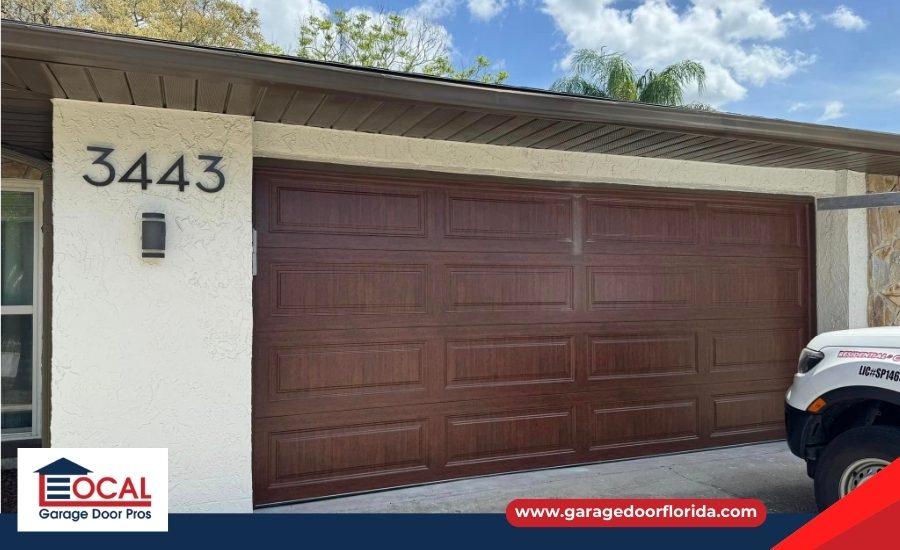
Before you start fixing a noisy garage door, it's essential to determine where the sound is coming from. Identifying the root cause of the noise ensures that your solution is effective and long-lasting. Garage doors are complex systems with many moving parts, and a single malfunctioning component can lead to a noisy operation. Here's how you can identify the source of the problem.
Common Causes of a Noisy Garage Door
Understanding the common reasons for garage door noise is crucial for targeted fixes. Below are the primary culprits that could be causing your garage door to make excessive noise:
- Loose Nuts, Bolts, or Screws: Vibrations from daily use can cause these components to loosen over time. Loose hardware often results in rattling or clanking sounds during operation.
- Dry or Worn-Out Rollers and Hinges: Rollers and hinges are critical for smooth door movement. When they dry out or wear down, you may hear grinding, squeaking, or even high-pitched squeals.
- Misaligned or Dirty Tracks: Tracks guide the door's movement, and misalignments or dirt buildup can create resistance. This resistance can result in jerky door movements and loud rattling noises.
- Vibrations from the Garage Door Opener: Openers, especially chain-drive models, can transfer vibrations to the ceiling and walls, amplifying the noise. A loose chain or belt on the opener is another frequent cause.
- Damaged Springs: Torsion or extension springs are under significant tension. If they are damaged or misaligned, they can cause loud banging or squealing sounds.
These issues are not just annoying, they can lead to further damage if left unaddressed. By inspecting your garage door system, you can identify and address these problems effectively.
Tools to Help Pinpoint Noise Problems
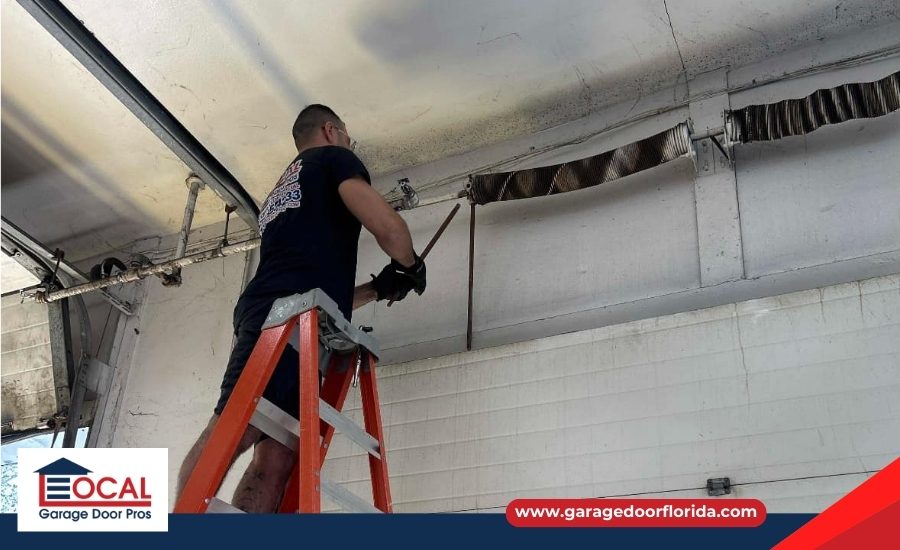
To accurately determine the source of the noise, you'll need the right tools and a careful approach. Here's a list of essential tools to gather before beginning your inspection:
- Adjustable Wrench or Socket Set: Helps tighten any loose nuts, bolts, or screws that may be causing vibrations.
- Silicone Spray or White Lithium Grease: Necessary for lubricating moving components like rollers and hinges.
- Step Ladder: Provides safe access to high areas, such as the tracks or opener mounting brackets.
- Flashlight: Useful for examining dark or hard-to-see areas, such as the inside of tracks or the condition of springs.
With these tools in hand, visually inspect your garage door system while listening carefully during operation. Look for loose hardware, worn-out parts, or misaligned components that could be contributing to the noise. Note any areas requiring maintenance or repair for targeted fixes.
Easy Steps to Make Your Garage Door Quieter
Once you've identified the source of your garage door noise, you can take simple steps to fix it. These solutions address the most common problems, from loose hardware to unlubricated components. Performing these steps regularly will not only reduce noise but also extend the lifespan of your garage door system.
Tighten Loose Nuts and Bolts
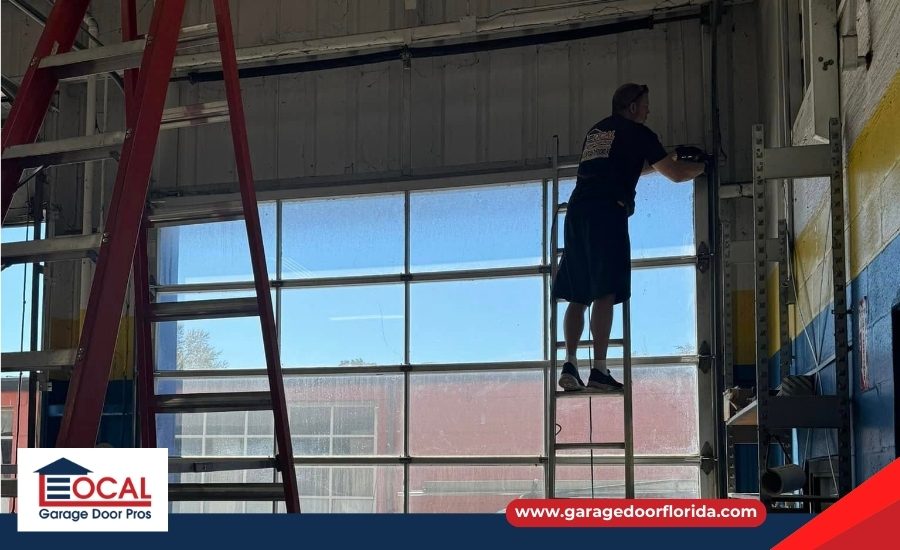
One of the most common causes of garage door noise is loose hardware. Daily use creates vibrations that gradually loosen nuts, bolts, and screws throughout the system. This leads to rattling, clanking, or other unpleasant sounds during operation. Securing these components is an easy way to reduce noise and improve the door's stability. Here are the steps to tighten loose nuts and bolts:
- Inspect all visible nuts, bolts, and screws on your garage door and its tracks. Focus on areas such as hinges, brackets, and the mounting points for the opener.
- Use an adjustable wrench or a socket set to tighten each component. Turn the tool just enough to make the part snug without over-tightening, which could damage the threads or warp the metal.
- Check the roller brackets and track fasteners for looseness, as these areas are common sources of rattling noises.
- Operate the garage door a few times after tightening the hardware to ensure the noise has decreased.
Regularly inspecting and tightening hardware can prevent ongoing issues and keep your garage door operating smoothly.
Lubricate Rollers, Hinges, and Springs
Friction caused by unlubricated moving parts is a frequent source of squeaking and grinding noises. Lubrication reduces friction, allowing the components to move more smoothly and quietly. Additionally, regular lubrication prevents premature wear and extends the life of your garage door system. Here are the steps to properly lubricate rollers, hinges, and springs:
- Clean the Components: Use a clean, dry cloth to wipe down the rollers, hinges, and springs, removing any dirt, dust, or debris that could interfere with lubrication.
- Apply the Lubricant: Spray a small amount of silicone-based lubricant or white lithium grease onto the rollers, hinge pivot points, and springs. Avoid using WD-40, as it can attract dirt and worsen the issue over time.
- Operate the Door: Open and close the garage door several times to help distribute the lubricant evenly across the moving parts.
- Wipe Off Excess Lubricant: Use a cloth to remove any drips or excess lubricant, preventing dirt from accumulating and ensuring a clean application.
Performing this maintenance every six months will keep your garage door running smoothly and significantly reduce noise.
Upgrading to a Quieter Garage Door System
If basic fixes don't fully resolve the noise, it might be time to consider upgrades. Certain components, like nylon rollers and belt-drive openers, are designed to operate more quietly and efficiently. In some cases, replacing the entire garage door may be necessary, especially if it's old or damaged. These upgrades not only reduce noise but also improve the overall performance of your garage door system.
Benefits of Nylon Rollers and Belt-Drive Openers
Replacing older components with modern, quieter alternatives can make a significant difference. Nylon rollers and belt-drive openers are two of the best upgrades for reducing noise. Here's why:
- Nylon Rollers: Traditional metal rollers tend to grind against the tracks, creating noise and wear over time. Nylon rollers are quieter, smoother, and require less maintenance. They also reduce vibrations during operation, which helps minimize overall noise.
- Belt-Drive Openers: Unlike chain-drive openers, which are noisy and prone to vibrations, belt-drive openers use a rubber belt for smoother operation. These openers are often described as “whisper-quiet” and are ideal for homes with living spaces above or near the garage.
Upgrading to nylon rollers and a belt-drive opener provides long-term noise reduction and increases the reliability of your garage door system.
When to Consider Replacing Your Garage Door
Sometimes, no amount of maintenance or component upgrades can fully solve the problem. If your garage door is old, damaged, or poorly installed, replacing it might be the best option. Here's when to consider a full replacement:
- Excessive Wear and Tear: If the door shows significant signs of aging, such as rusted panels, warped tracks, or cracked springs, it may no longer be worth repairing.
- Persistent Noise Issues: If the noise persists even after addressing loose hardware, lubrication, and component upgrades, the issue could stem from the overall structure of the door.
- Energy Efficiency Concerns: Older garage doors often lack proper insulation, which can result in noise amplification and increased energy costs. A new, insulated door reduces noise and helps regulate temperature.
- Frequent Repairs: If you're repeatedly spending money on repairs, replacing the door might be more cost-effective in the long run.
Replacing your garage door not only eliminates noise but also adds value to your home and enhances its curb appeal.
Affordable Garage Door Noise Reduction Solutions
If upgrading components or replacing the garage door isn't an option, affordable noise reduction solutions can still make a noticeable difference. Simple additions like anti-vibration pads and insulation materials can effectively minimize noise without requiring a significant investment. These solutions are ideal for homeowners looking for quick, cost-effective ways to enjoy a quieter garage.
Installing Anti-Vibration Pads and Silencers
Garage door openers and their mounting systems can amplify noise through vibrations that travel into the ceiling or walls. Anti-vibration pads and silencers are designed to absorb these vibrations and reduce the noise they create. Here's how to install them:
- Purchase Compatible Materials: Choose anti-vibration pads that match your garage door opener's mounting system. Silencers are also available to further dampen noise from the opener.
- Unplug the Opener: Disconnect the power supply to ensure safety while working on the system.
- Install Anti-Vibration Pads: Place the pads between the opener and the ceiling mounting brackets. This will create a buffer that absorbs the vibrations.
- Add Silencers if Needed: Attach silencers to the motor or other vibrating parts, as per the manufacturer's instructions.
- Test the System: Reconnect the opener, operate the garage door, and listen for improvements in noise reduction.
Anti-vibration pads and silencers are a quick, budget-friendly solution that significantly reduces the noise created by your garage door opener.
Adding Insulation for Better Soundproofing
Garage door insulation does more than regulate temperature, it also helps reduce noise. Insulating the door and surrounding areas prevents sound from echoing and dampens vibrations. Here's how to add insulation for better soundproofing:
- Choose the Right Insulation Material: Opt for materials like foam boards, reflective insulation, or fiberglass. These materials are effective at absorbing sound and are easy to install.
- Prepare the Garage Door: Clean the door panels and remove any debris to ensure the insulation adheres properly.
- Cut the Insulation to Size: Measure each panel of the door and cut the insulation to fit snugly within the frames.
- Attach the Insulation: Use adhesive or clips to secure the insulation to each panel. Make sure there are no gaps or loose sections.
- Seal the Edges: Apply weatherstripping or caulk around the edges of the garage door to further reduce noise and improve energy efficiency.
Insulation not only reduces noise but also enhances the overall comfort and functionality of your garage.
Preventative Maintenance Tips for Garage Doors
Preventative maintenance is key to keeping your garage door quiet and operating efficiently. By performing regular inspections and upkeep, you can prevent common noise issues before they start. Seasonal checks are an essential part of this routine and help ensure your garage door remains in top condition year-round.
Seasonal Checks to Keep Noise Levels Low
Garage doors endure significant wear and tear over time, especially in areas with changing weather conditions. Conducting seasonal checks helps identify and resolve potential issues early. Here's how to perform effective seasonal maintenance:
- Inspect All Moving Parts: Check rollers, hinges, springs, and tracks for signs of wear or damage. Address minor issues like dirt buildup or loose hardware immediately.
- Lubricate Components: Apply silicone spray or white lithium grease to all moving parts, focusing on rollers, hinges, and springs. This prevents friction and keeps the system running quietly.
- Clean the Tracks: Use a damp cloth to wipe down the tracks, removing dirt, dust, and debris. Avoid using lubricants on the tracks, as this can cause buildup and resistance.
- Check the Door's Balance: Disconnect the opener and manually lift the door halfway. If it stays in place, the door is balanced. If it falls or rises, the springs may need adjustment.
- Inspect Weatherstripping: Examine the bottom weatherstripping for cracks or gaps. Replace it as needed to prevent noise and improve insulation.
Performing these checks at the start of each season ensures your garage door operates smoothly and minimizes the risk of sudden noise problems.
When to Call a Professional for Garage Door Repairs
While many noise issues can be resolved with DIY fixes, some problems require professional expertise. Attempting to repair certain components yourself, such as springs or cables, can be dangerous and lead to further damage. Knowing when to call a professional ensures your garage door is repaired safely and effectively.
Signs of Major Issues Needing Expert Help
If your garage door continues to make noise despite regular maintenance, it may be a sign of a more serious problem. Here are the key indicators that it's time to contact a professional:
- Snapped or Damaged Springs: A loud bang often signals a broken torsion or extension spring. These springs are under high tension and should only be handled by experts.
- Worn or Cracked Rollers: If the rollers are visibly damaged or causing the door to move unevenly, replacing them requires specialized tools and knowledge.
- Misaligned or Bent Tracks: Tracks that are bent or out of alignment can cause the door to stick, make grinding noises, or even fall off. Professionals can realign or replace the tracks safely.
- Persistent Opener Vibrations: Excessive vibrations from the opener motor may indicate internal damage or improper installation. A professional can inspect and repair the opener to reduce noise.
- Frequent Repairs with No Improvement: If you've tried multiple fixes and the noise persists, a professional can assess the overall system and recommend effective solutions, such as replacing the door or upgrading components.
Calling a professional at the right time not only resolves noise issues but also prevents accidents and extends the lifespan of your garage door.
Discover Our Proven Garage Door Noise Solutions for Your Home
Reducing garage door noise is an achievable goal when you combine regular maintenance, smart upgrades, and professional assistance. By addressing common issues like loose hardware and unlubricated parts, you can ensure your door operates more smoothly and quietly. Additionally, implementing affordable noise reduction solutions like insulation or anti-vibration pads can further enhance your results.
At Local Garage Door Pros, we understand the importance of a quiet, functional garage door. Serving Lutz, FL, we provide expert repair and installation services tailored to your needs. If your garage door noise issues persist, let our skilled technicians handle the problem safely and efficiently.
Frequently Asked Questions
How Often Should I Lubricate My Garage Door?
You should lubricate your garage door every six months to keep it running smoothly and quietly. Focus on moving parts such as rollers, hinges, and springs. Regular lubrication minimizes friction, reduces noise, and extends the lifespan of your garage door system. For areas with extreme weather, consider quarterly lubrication to prevent wear and tear.
Can I Use Any Type of Insulation for Noise Reduction?
Not all insulation materials are suitable for garage doors. Use materials like foam boards, fiberglass, or reflective insulation, which are effective at dampening sound. Avoid heavy materials that may interfere with the door's operation. Properly sized and secured insulation panels can significantly reduce noise and improve energy efficiency.
Why Is My Garage Door Opener Vibrating Excessively?
Excessive vibrations from a garage door opener often stem from a loose chain, belt, or improperly mounted system. Vibrations can also occur if the opener's motor is damaged or the opener is too powerful for the door. Installing anti-vibration pads or adjusting the mounting brackets can help, but consult a professional if the issue persists.
What Are the Signs My Garage Door Needs a Professional Repair?
Signs that your garage door needs professional repair include loud banging noises, misaligned tracks, a door that won't stay balanced, or visible damage to springs and rollers. Persistent noise issues despite regular maintenance also indicate that professional assistance may be required to address underlying problems safely.
Are Nylon Rollers Better Than Metal Rollers for All Garage Doors?
Nylon rollers are quieter and require less maintenance compared to metal rollers. However, they may not be ideal for extremely heavy doors, such as solid wood or oversized models. Consult a professional to determine the best roller type for your specific garage door and its weight requirements.
Make Your Garage Door Quieter Today
Take the first step toward a quieter, more efficient garage door by contacting Local Garage Door Pros. Call us at (813) 235 4233 to schedule your repair, upgrade, or maintenance appointment in Lutz, FL. Our experts are ready to help you achieve the results you deserve.
Recent Posts
-
Diagnosing a Garage Door That Jerks When Closing
Jul 26, 2026 -
Diagnosing a Garage Door That Bounces When Closing
Jul 26, 2026 -
Why is My Garage Door Making a Grinding Noise?
Jul 26, 2026