Choosing the right garage door brand matters more than many homeowners realize. A door that looks strong may still fail if it does not meet local wind-load rules, insulation needs, and daily performance demands.
Many property owners only notice these details after storms, heat, or serious garage door problems put their home at risk. This guide compares key brand features to help you choose a stronger, safer, and more energy-efficient garage door for your property.
- What Makes a Garage Door Brand Worth Choosing?
- Why Do Wind-Load Rules Matter
- What Mistakes Should Homeowners Avoid?
- Which Garage Door Brands Offer Stronger Protection?
- How Can a Professional Help You Choose?
- Choose a Stronger Garage Door System
- Frequently Asked Questions
- Is a wind-rated garage door legally required?
- What happens if a garage door does not meet code?
- How long do polyurethane insulated panels last?
- Which garage door material best handles coastal humidity?
- Can a new garage door improve resale value?
What Makes a Garage Door Brand Worth Choosing?
A strong garage door brand should offer durable materials, tested hardware, reliable insulation, and clear wind-load options. These features matter because the garage door protects one of the largest openings in your home.
Premium manufacturers often use high-gauge steel, reinforced sections, and dense polyurethane foam. These materials help the door resist dents, reduce heat transfer, and handle daily movement with less strain.
Warranty coverage also matters. A longer warranty often shows that the manufacturer trusts its materials and production standards. However, homeowners should read the details closely because panels, paint, springs, and hardware may have different coverage terms.
Reputable brands also follow safety and testing guidelines from groups such as the Door and Access Systems Manufacturers Association. These standards help confirm that garage door systems meet proper safety and performance expectations before they reach homeowners.
Why Do Wind-Load Rules Matter
Wind-load rules matter because a weak garage door can fail during severe weather, exposing the home to dangerous pressure changes. Once the garage opening fails, wind can enter the structure and increase the risk of major property damage.
A standard national garage door may work in mild climates, but homes in storm-prone areas often need stronger engineering. Local codes may require:
- Reinforced garage door panels
- Heavier track systems
- Stronger hinges and brackets
- Approved wind-load bracing
- Proper product approval documents
The official Florida Building Code sets requirements for exterior openings in storm-prone areas. Many coastal and suburban homes fall under stricter wind-borne debris rules, so homeowners should not choose a door based on style alone.
Before buying a new system, property owners should confirm the wind load rating for their specific location. A professional installer can also review the opening size, permit needs, and code documents before installation begins.
What Mistakes Should Homeowners Avoid?
Homeowners should avoid choosing a garage door based only on price or appearance. A lightweight door may look attractive, but it can create safety, comfort, and repair problems later.
One common mistake is skipping exact measurements. Even a small sizing error can delay installation or require extra framing work. Reviewing garage door sizes early in the planning process helps prevent ordering mistakes and poor fitment.
Another mistake is ignoring insulation. Basic polystyrene panels can help, but polyurethane foam usually provides better strength, sound control, and thermal performance. The Department of Energy recommends proper insulation to reduce unwanted heat transfer and energy waste.
Homeowners should also avoid buying a model without checking local code approval. A door that lacks the right wind-load rating may fail inspection, delay a project, or create insurance concerns after a storm.
Which Garage Door Brands Offer Stronger Protection?
Several leading garage door brands offer strong options for homes that need better protection. The best choice depends on your local code needs, design goals, insulation preference, and budget.
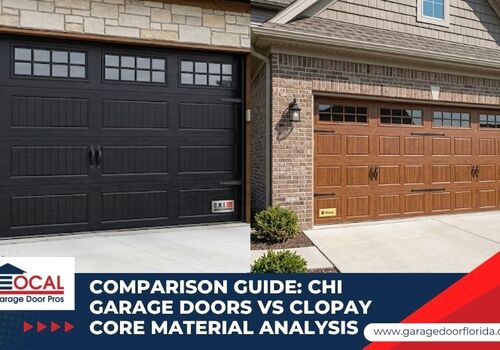
Clopay, C.H.I. Overhead Doors, Amarr, and Wayne Dalton all offer products that can fit different homeowner priorities. Some focus on design variety, while others stand out for insulation, safety features, or wind-code documentation.
| Manufacturer | Best For | Key Strength | What To Ask Before Buying |
| Clopay | Long-term homeowners | Wind-code documentation and insulated models | Does this model meet my local wind-load zone? |
| C.H.I. Overhead Doors | Modern home upgrades | Strong steel construction and clean design options | What insulation level works best for my garage? |
| Amarr | Safety-focused buyers | Pinch-resistant panel designs | Does this model include safety-focused hardware? |
| Wayne Dalton | Custom design projects | Wide architectural style options | Is this design available with reinforced hardware? |
This comparison gives homeowners a starting point, but it should not replace a professional inspection. The right product must match the opening, local wind conditions, hardware requirements, and the garage's long-term use.
Working with a professional contractor familiar with International Door Association guidance can also help reduce installation errors. Proper installation matters as much as the brand because even a strong door can fail if the tracks, springs, or supports are not installed correctly.
How Can a Professional Help You Choose?
A professional garage door technician can help homeowners compare garage door brands based on safety, performance, and local code needs. A trained technician can inspect the opening, review the existing hardware, and explain which options make sense for the property.
This support is especially helpful in areas where heat, humidity, storms, and wind-load requirements can all affect garage door performance. A professional recommendation can help you avoid weak materials, poor insulation choices, and installation mistakes.
Choose a Stronger Garage Door System
Choosing the right garage door brand is easier when you know which models match your local code, insulation needs, and storm protection goals. A strong system should fit your home, meet required wind-load standards, and support long-term daily use.
Local Garage Door Pros is a full-service garage door company serving the Tampa, FL area, specializing in residential and commercial garage door repair, spring replacement, and emergency installation services for local property owners. Contact our local team today to schedule your expert garage door service appointment and get help choosing a system that protects your property before severe weather arrives.
Frequently Asked Questions
Is a wind-rated garage door legally required?
A wind-rated garage door may be required depending on your location and local building code. A professional can check your wind zone before installation.
What happens if a garage door does not meet code?
A non-compliant garage door can fail inspection, delay permit approval, and create safety concerns. It may also cause problems during insurance or resale reviews.
How long do polyurethane insulated panels last?
Polyurethane-insulated panels can last for many years when the steel skin, seals, and hardware remain in good condition. Regular maintenance helps protect their performance.
Which garage door material best handles coastal humidity?
Treated steel with a durable finish works well for many homes. Some fiberglass and composite options also resist moisture when properly installed.
Can a new garage door improve resale value?
Yes. A new garage door can improve curb appeal, safety, energy performance, and buyer confidence. A code-compliant model may add even more value in storm-prone areas.
Recent Posts
-

Diagnosing a Garage Door That Jerks When Closing
Jul 26, 2026 -
Diagnosing a Garage Door That Bounces When Closing
Jul 26, 2026 -
Why is My Garage Door Making a Grinding Noise?
Jul 26, 2026